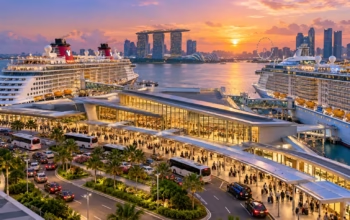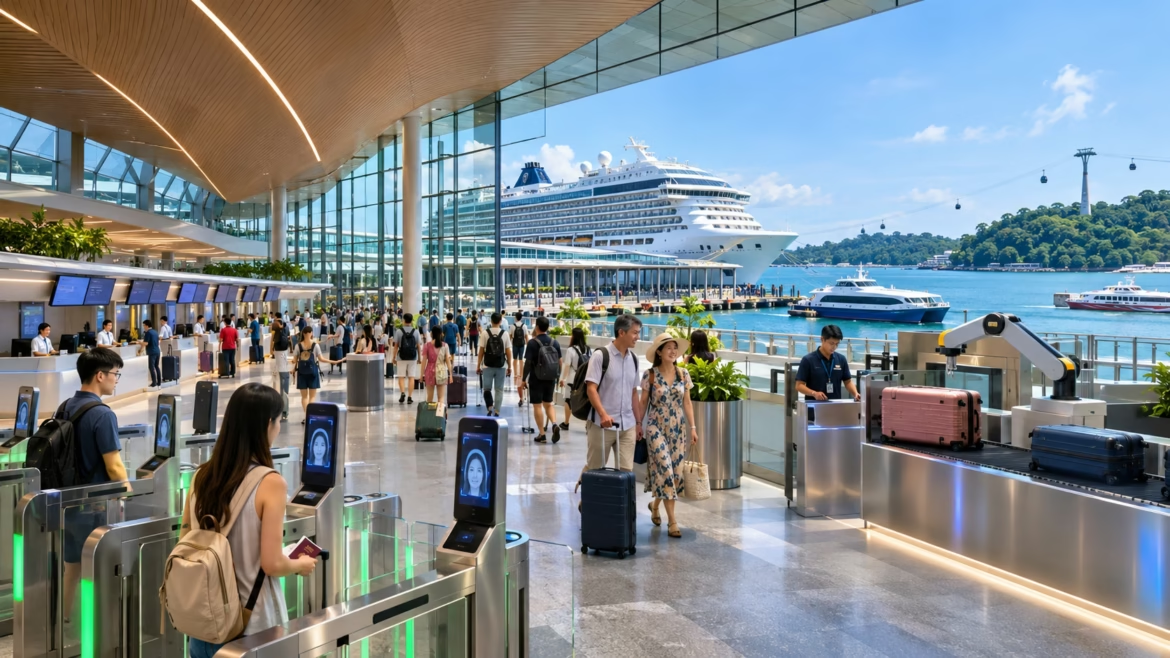
The cruise industry’s contribution to Singapore’s economy is no longer a peripheral tourism segment; it is a central pillar of the city-state’s maritime and hospitality strategy. The numbers tell a compelling story. In 2024, Singapore accounted for nearly half of all cruise passenger visits in Southeast Asia, and in 2025, it handled more than two million cruise passenger movements. This volume is not accidental. It is the result of deliberate, sustained investment and strategic partnership-building that positions Singapore as the undisputed homeport of choice for global cruise lines operating in Asia.
The Princess Cruises Partnership as a Growth Catalyst
A prime example of this strategy in action is the three-year partnership announced in May 2026 between the Singapore Tourism Board (STB) and Princess Cruises. Spanning 2027 through 2030, the collaboration is expected to generate more than 150,000 passengers and deliver substantial economic benefits across the tourism and maritime sectors. The agreement will see the deployment of three ships—Diamond Princess, Sapphire Princess, and Grand Princess—with the number of sailings set to double by 2030. Critically, these deployments are focused on longer, destination-rich itineraries of 10 to 28 days, a strategy designed to attract higher-spending international travelers from markets such as Australia, the UK, and the US.
Fueling the Fly-Cruise Ecosystem
This emphasis on long-haul source markets is intentional. It accelerates the growth of the fly-cruise segment, where passengers fly into Singapore to begin their voyage. This model generates cascading economic benefits: pre- and post-cruise hotel stays, spending in local retail and dining, and increased demand for aviation services. The partnership aligns directly with Singapore’s Tourism 2040 vision, which seeks to drive quality tourism growth through differentiated products and premium experiences. By anchoring itself as the preferred homeport for a major premium brand like Princess, Singapore is not just capturing passenger volume; it is capturing passenger value. The economic multiplier effect—from port fees and logistics to hospitality and retail—ensures that the cruise boom translates into broad-based prosperity for the local economy.