Fashion in Singapore is evolving quickly as technology becomes part of everyday clothing. In the past, garments were mainly designed to express identity, provide comfort, or follow trends. Today, clothing can also function as a digital tool. Smart clothing combines textiles with advanced technology, creating garments that can monitor the body, connect with devices, improve safety, and respond to the surrounding environment.
Singapore is an ideal place for this development because it has a strong culture of innovation. The country invests heavily in research, smart city planning, digital health, and sustainable solutions. These priorities create opportunities for smart fashion to grow. Designers can work with engineers, textile scientists, and software developers to produce garments that are both fashionable and intelligent.
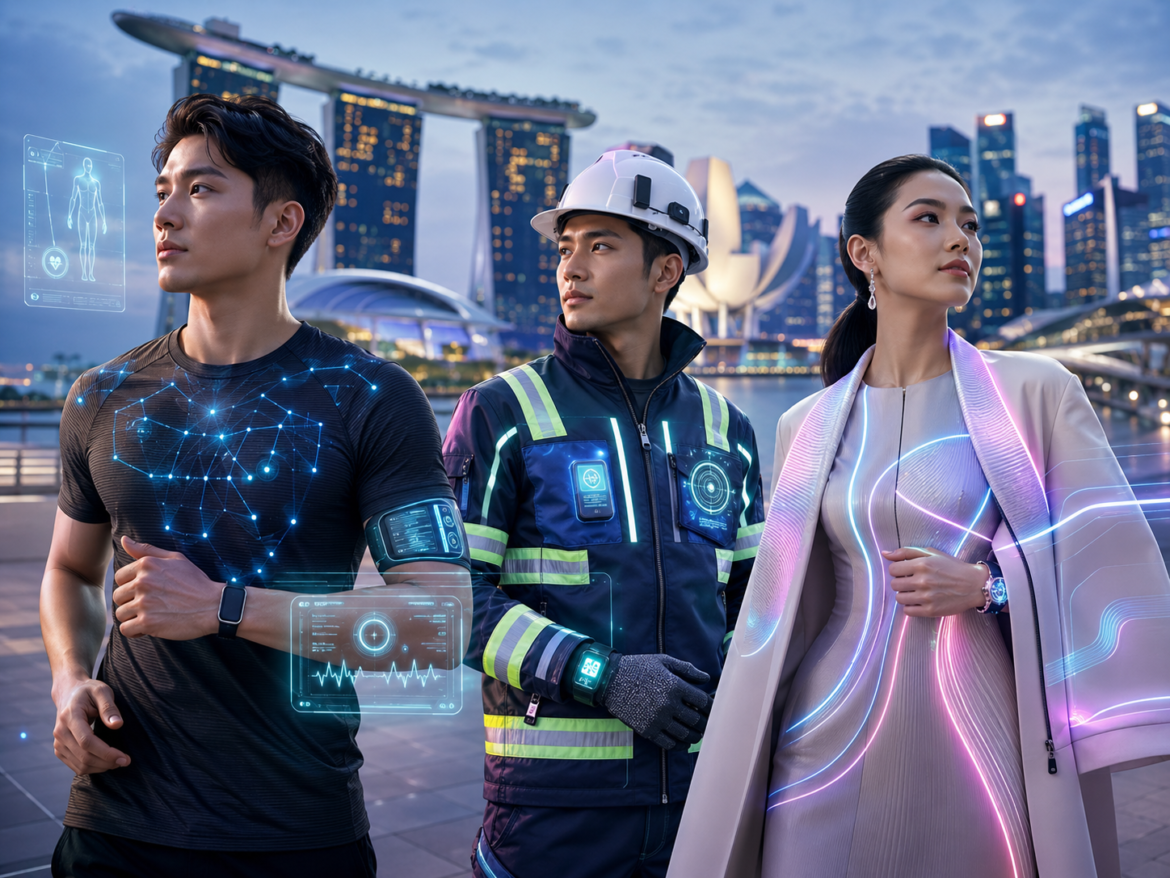
One of the most important uses of smart clothing is personal health monitoring. Instead of wearing separate devices, users can wear garments that naturally track physical signals. A smart shirt, for example, may measure heartbeat, breathing rhythm, or posture. This kind of clothing can be useful for people with health concerns, athletes, elderly individuals, or workers in physically demanding jobs. In Singapore, where digital healthcare is expanding, smart garments could support more convenient and continuous health tracking.
Workplace safety is another area where smart clothing can provide value. Singapore has industries such as construction, logistics, transportation, and manufacturing, where workers may face heat stress, fatigue, or physical strain. Smart uniforms could detect signs of overheating, poor posture, or excessive tiredness. Some garments may include location tracking, emergency alerts, or reflective lighting. These features can help companies improve worker safety while reducing risks on job sites.
In daily life, smart clothing can also support convenience. For example, jackets with built-in heating or cooling functions, shirts that manage sweat, or bags with charging features can make urban living easier. Singaporeans often move between air-conditioned buildings, crowded trains, outdoor spaces, and humid streets. Clothing that adapts to changing environments can improve comfort and practicality.
The local fashion industry can benefit from smart clothing by offering products that go beyond traditional design. Fashion brands can create garments that combine aesthetics with problem-solving features. A dress may include responsive lighting for artistic expression, while office wear may use wrinkle-resistant and temperature-sensitive fabric. This creates a new category of fashion where beauty, function, and digital intelligence work together.
Smart clothing also changes the relationship between consumers and brands. Because these garments may collect data, brands must be transparent about privacy and security. Consumers need to know what information is collected, where it is stored, and how it is used. In a digitally advanced country like Singapore, trust is essential. If brands fail to protect user data, consumers may hesitate to adopt wearable fashion.
Another challenge is durability. Clothing must be washed, folded, stretched, and worn repeatedly. Electronic components need to survive these conditions without reducing comfort. For smart clothing to succeed, it must feel natural on the body and be easy to maintain. People are unlikely to buy garments that are difficult to clean or too delicate for everyday use.
Singapore’s role in smart fashion is still growing, but its potential is strong. The combination of technology, design, healthcare, retail innovation, and sustainability gives the country a unique advantage. Smart clothing may soon become a normal part of life, helping people dress not only for style but also for health, safety, comfort, and digital connection.