Korean BBQ has been a staple of Singapore’s dining scene for decades. However, the industry is currently undergoing a radical evolution, moving away from the “buffet and marinated meat” model towards a premium, produce-driven experience. The modern Korean BBQ restaurant in Singapore is now a showcase for high-quality protein, innovative aging processes, and cutting-edge ventilation technology.
The Premium Pork Revolution
For years, beef was considered the king of the grill. While Wagyu and Hanwoo remain popular, there has been a significant surge in the popularity of premium pork. Restaurants are now importing specific breeds, most notably Iberico from Spain and Berkshire pork, to serve as Samgyeopsal.
This shift is driven by the distinct flavor profile of these breeds. The high fat content and nutty flavor of Iberico pork offer a different, often more affordable, alternative to premium beef. Chefs are educating customers on the proper way to grill these cuts—slowly over a lower heat to render the fat and crisp the skin. This focus on technique elevates the dining experience, requiring diners to be more engaged with the cooking process.
The Introduction of Dry-Aging
One of the most significant trends in the Singaporean Korean BBQ scene is the adoption of dry-aging. While common for beef, dry-aging pork and even duck has become a hallmark of upscale Korean grills. The process concentrates the meat’s flavor and tenderizes the texture, creating a depth of umami that is difficult to achieve with fresh meat.
Establishments are now installing visible dry-aging cabinets in their dining rooms. This serves a dual purpose: it ensures transparency regarding the product quality and acts as a marketing tool that sparks conversation. Customers can select their cut from the aging room, adding a layer of personalized service to the meal.
Technology and Ambiance
The greasy, smoke-filled atmosphere that once defined Korean BBQ is becoming a thing of the past. Newer establishments are investing heavily in state-of-the-art smokeless grill systems. These down-draft systems pull smoke away from the table, ensuring that diners leave without the lingering smell of grilled meat on their clothes.
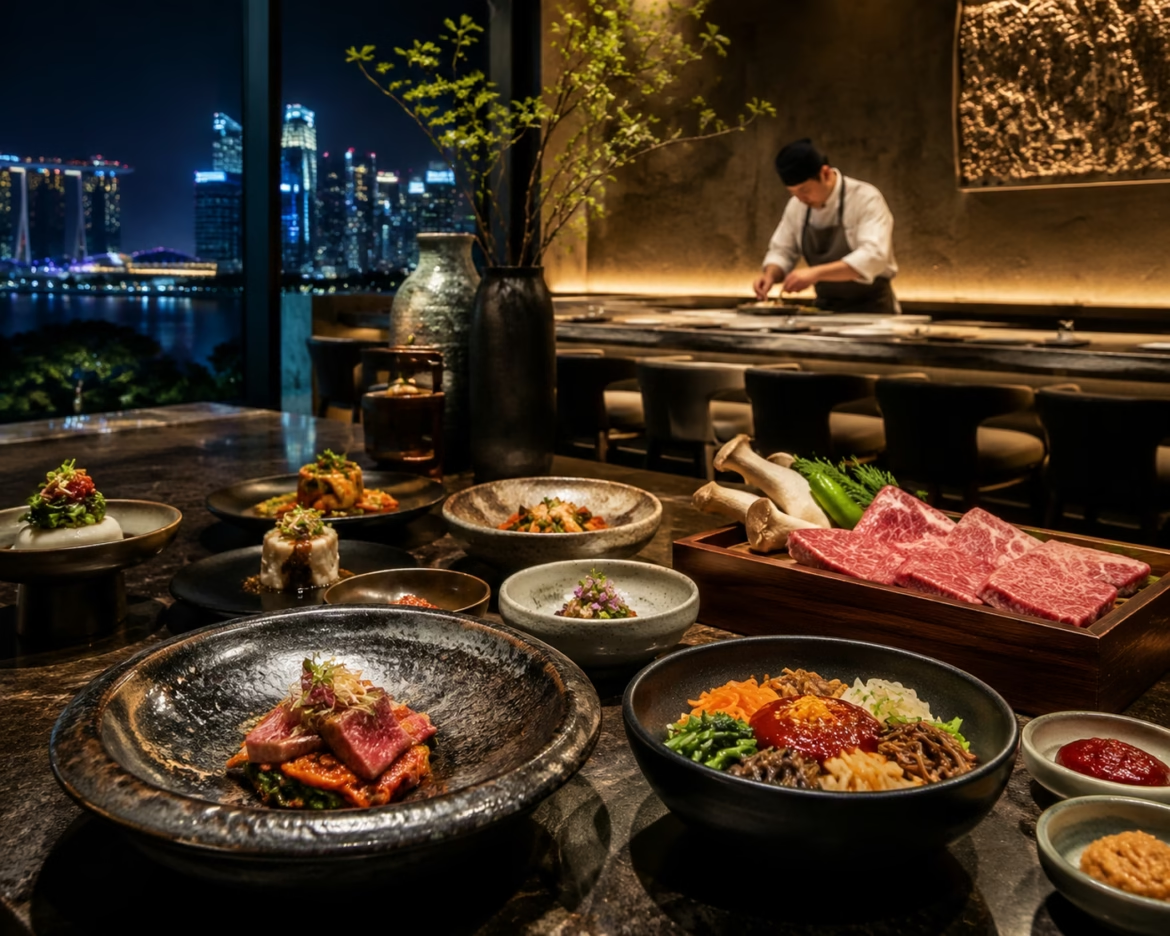
This investment in technology has made Korean BBQ more accessible to a wider audience, including professionals on lunch breaks and those heading to events afterward. It has also allowed restaurants to improve their interior design, moving away from utilitarian steel tables to more luxurious, moody settings that complement the high-end cuts being served.