Singapore’s fitness scene has expanded rapidly as more residents recognize the value of an active lifestyle. Health and wellness are now part of everyday conversation, especially among people who want to manage stress, stay productive, and prevent lifestyle-related health issues. The country’s urban design, public sports facilities, and growing number of private fitness services have helped create a culture where exercise is both accessible and fashionable.
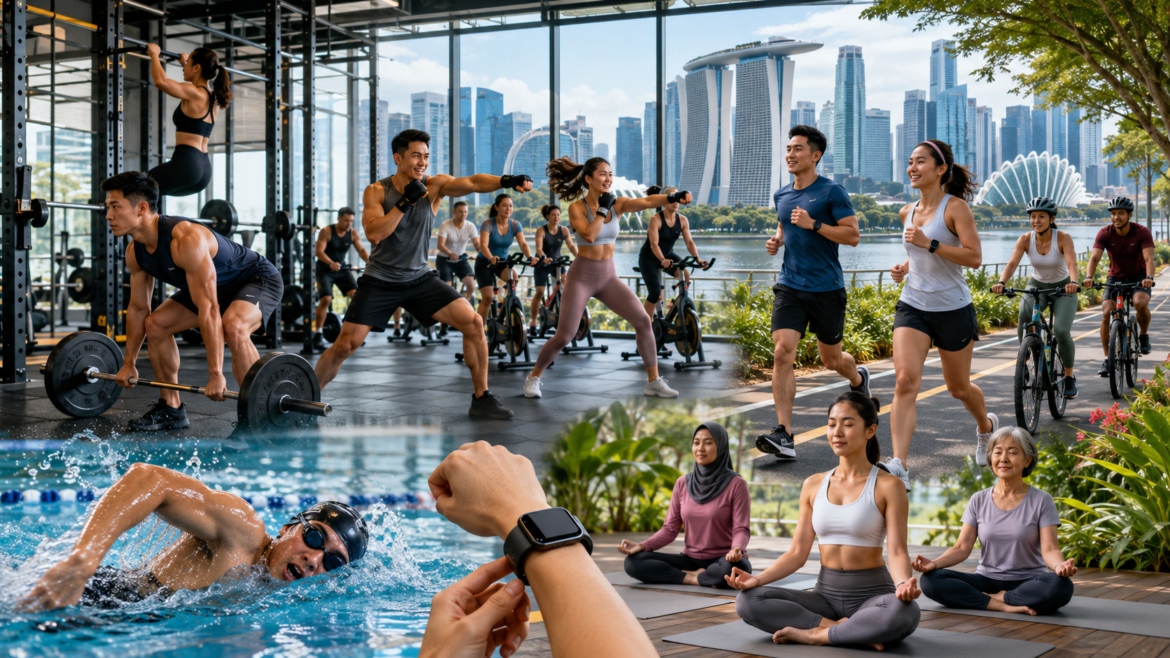
One of the clearest signs of this trend is the popularity of gyms and fitness centers. Many Singaporeans choose gym workouts because they can train before work, during lunch breaks, or after office hours. The flexibility of gym access fits well with modern city life. Traditional gym routines have also changed. While treadmill running and basic cardio remain common, more people are now interested in strength training, functional movements, and performance-based goals. Exercises such as deadlifts, squats, push-ups, rows, and core training are used to build practical strength for daily life.
Boutique fitness has also become a major part of Singapore’s wellness industry. Specialized studios offering indoor cycling, boxing, yoga, barre, and Pilates attract people who want more than just access to equipment. These studios provide atmosphere, coaching, and community. The class environment often makes exercise feel more enjoyable because participants are guided by instructors and surrounded by people with similar goals. For many urban professionals, boutique classes also serve as a social outlet after long workdays.
Running remains one of Singapore’s favorite sports. It is affordable, flexible, and suitable for almost all fitness levels. The country’s parks and waterfront areas provide attractive routes for runners. Marina Bay is popular for scenic city views, while East Coast Park offers a breezy coastal environment. The Park Connector Network also allows people to run or walk through different neighborhoods and green spaces. Running clubs and community races further encourage people to train regularly and meet others who enjoy the sport.
Cycling has also gained strong attention. Some people cycle for fitness, while others enjoy it as a weekend activity with friends or family. The growth of dedicated cycling paths has made the sport more comfortable and appealing. Recreational cyclists often choose routes along East Coast Park, Changi, or park connectors, while more experienced riders may seek longer-distance challenges.
Yoga and Pilates are important because they address a different side of fitness. Instead of focusing only on speed, strength, or calorie burning, they emphasize control, breathing, posture, and body awareness. Yoga helps many people reduce tension and improve mental clarity. Pilates is highly valued for core stability and is often chosen by people who want to strengthen their bodies without high-impact movements. These practices are especially relevant in Singapore, where office-based lifestyles can lead to stiffness and poor posture.
Another growing trend is the use of digital health tools. Fitness trackers, workout apps, online coaching, and virtual classes allow people to personalize their routines. Many Singaporeans now monitor their steps, sleep, heart rate, and workout progress. This data-driven approach helps users stay motivated and understand their health more clearly.
Fitness in Singapore is also supported by community programs and public amenities. Outdoor fitness corners, swimming complexes, stadiums, and sports halls make exercise available beyond premium gyms. This balance between private fitness services and public access helps create a broad, inclusive culture of movement. As a result, fitness in Singapore continues to develop as a blend of lifestyle, social connection, technology, and personal well-being.