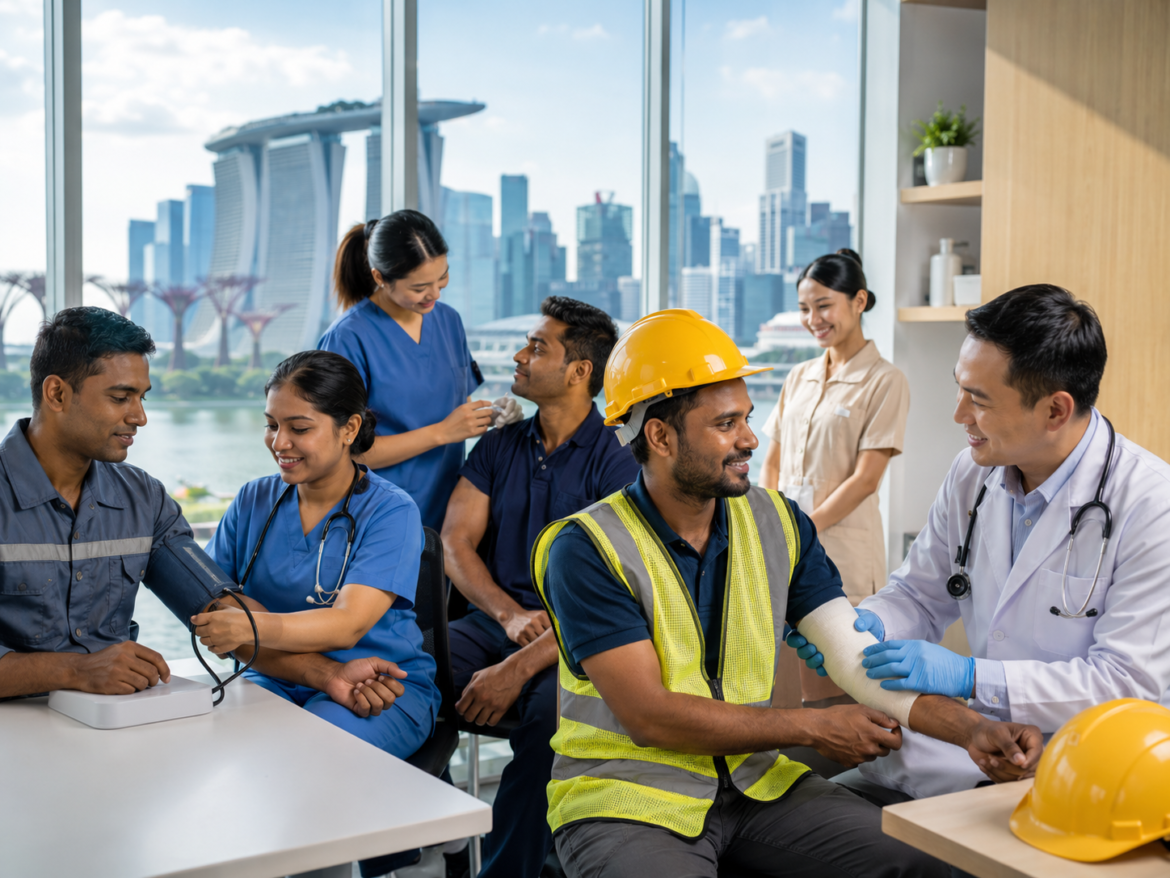
Singapore, an economic hub in Southeast Asia, has long relied on migrant workers to fuel its industries, from construction to domestic work. As the number of migrant workers in the country continues to rise, ensuring that they have access to adequate healthcare services is of paramount importance for both their well-being and for the continued economic success of the nation. The healthcare system for migrant workers in Singapore is multifaceted, and while there are numerous policies in place to ensure that workers have access to necessary medical care, several challenges remain.
Migrant workers in Singapore are eligible for a range of healthcare services under the country’s public health system. MediShield Life, the government-run health insurance scheme, provides coverage for all Singapore residents, including migrant workers. This health insurance offers financial protection against large medical bills, but it does not cover all health-related expenses, particularly for non-work-related illnesses. Consequently, many employers take additional steps to provide private insurance for their workers, covering additional healthcare needs.
The government also mandates that employers provide their workers with coverage under the Work Injury Compensation Act (WICA). This law ensures that migrant workers who are injured on the job receive medical care and compensation for lost income, in addition to coverage for medical expenses. For many migrant workers, this system is a vital part of their healthcare, ensuring that they are supported in the event of workplace accidents.
Although there are many provisions in place, migrant workers often face challenges in accessing healthcare. For example, language barriers can be a significant obstacle when seeking medical attention. Many migrant workers speak little or no English, and this can lead to misunderstandings and delays in receiving treatment. Moreover, workers from low-income backgrounds may not be fully aware of the healthcare options available to them, especially if they come from countries with different healthcare systems.
Another key issue is the living conditions of migrant workers. Most live in dormitories with limited space and inadequate ventilation, which can contribute to the spread of infectious diseases like tuberculosis and COVID-19. To address these health risks, the government has introduced regular health screenings and mandatory vaccinations for migrant workers, ensuring that potential health issues are detected early.
In addition to physical health concerns, mental health has become a growing issue for migrant workers in Singapore. Many workers experience significant stress due to factors such as separation from their families, difficult working conditions, and financial pressures. In response, mental health services have started to gain more attention, with NGOs offering counseling and support services to help workers cope with their emotional well-being.
Employers have a responsibility to provide not only medical insurance but also create a supportive environment for their workers. Encouraging healthy lifestyles, offering counseling services, and ensuring that workers have access to regular health check-ups are steps that can be taken to improve the overall well-being of migrant workers.