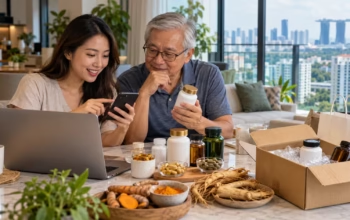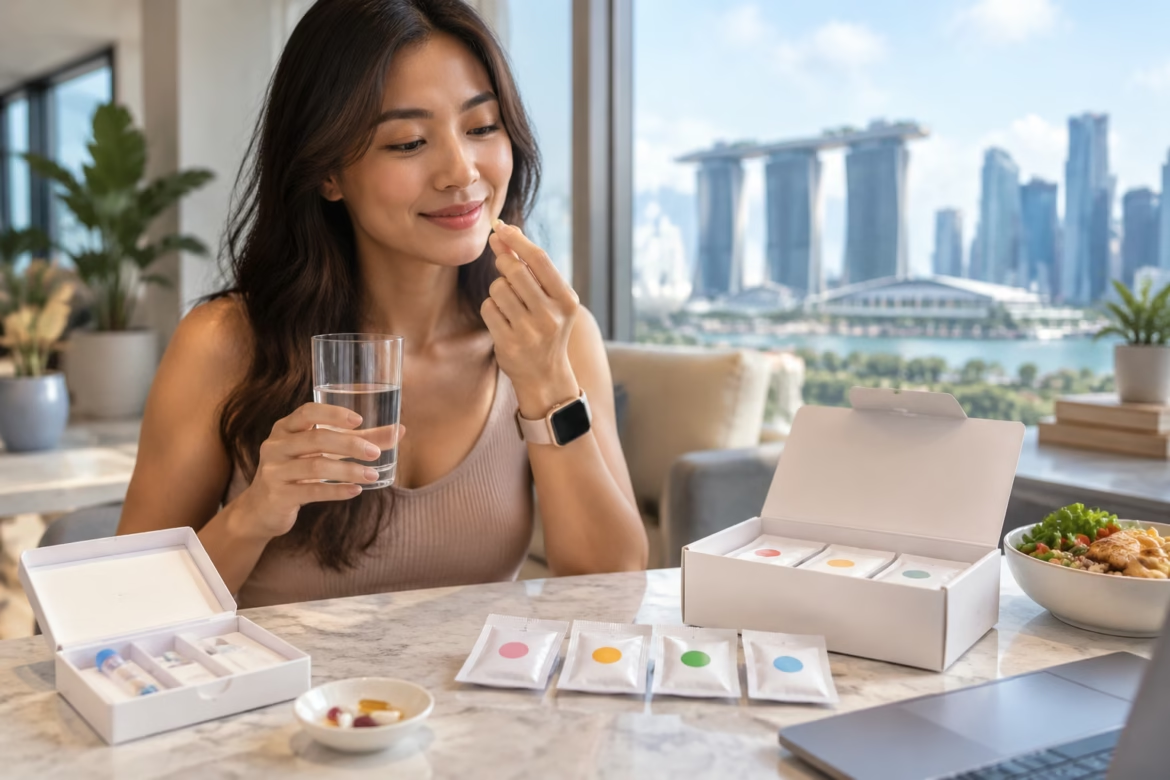
A short video about magnesium glycinate for sleep can trigger a thousand orders in Singapore within hours. By 2026, social media platforms like TikTok and Instagram, combined with e-commerce marketplaces such as Shopee and Lazada, have become the primary discovery channels for health supplements. This shift is reshaping not only what Singaporeans buy but also how they evaluate product safety and efficacy.
The Algorithm-Driven Wellness Consumer
Singapore’s digital-savvy population spends an average of over two hours daily on social media. Wellness creators, many without formal nutrition training, now command large audiences by sharing personal supplement routines, “what I eat in a day” videos, and quick health hacks. The algorithm rewards engaging content, not necessarily evidence-based advice. As a result, products like sea moss gel, berberine, and specialised nootropics have surged in popularity after viral endorsements, even when clinical evidence is limited.
E-Commerce Platforms and Flash Sale Culture
Platforms like Shopee and Lazada have turned supplement shopping into a gamified experience. Flash sales, voucher stacking, and live-stream shopping events create urgency and impulse buying. A consumer might add a collagen powder to cart simply because a live host demonstrates visible skin improvement. Subscription features on e-commerce apps also encourage repeat purchases, sometimes locking users into products they have not fully evaluated. This convenience is a double-edged sword: access has never been easier, but informed decision-making has become harder.
The Misinformation Risk and HSA Crackdowns
The Health Sciences Authority (HSA) has repeatedly warned about illegal, adulterated, or counterfeit supplements sold online. In 2026, HSA continues to monitor social media and e-commerce listings for products that make false medicinal claims or contain undeclared prescription ingredients. Consumers are urged to check that online sellers are legitimate and that products carry proper labelling. For the latest advisory on buying supplements online, refer to this active HSA page: HSA – Buying Health Products Online.
Influencer Responsibility and Emerging Guidelines
As influencer marketing matures, Singapore’s advertising standards are tightening. Influencers must now clearly disclose paid partnerships, and those making specific health claims may be required to back them with credible sources. Some brands are shifting toward working with registered dietitians and doctors to maintain trust. Nevertheless, the sheer volume of user-generated content makes regulation challenging.
The intersection of social media, e-commerce, and wellness is powerful but risky. Singaporean consumers must balance the convenience of viral recommendations with critical thinking and verification against official sources.