Fine dining has long been judged by the plate. In Singapore’s 2026 Michelin landscape, a growing part of the story is being poured into the glass — and it is made from ingredients that would otherwise be discarded. The most closely watched example is Seroja, the Nusantara restaurant that was promoted to two Michelin stars in 2026 while retaining its Green Star for sustainability.
The New Measure of Fine Dining
Seroja’s rise is significant because it separates sustainability from sacrifice. The restaurant did not earn its Green Star by serving austere food or lecturing diners. It earned it by building a serious, flavour-led tasting menu around regional ingredients and then extending that logic into a zero-waste non-alcoholic pairing.
According to coverage of the 2026 Michelin Guide Singapore, Seroja kept its Green Star alongside its promotion to two stars, with its drinks programme described as a “much-praised zero-waste non-alcoholic pairing built from kitchen by-products”. The pairing includes coconut water fermented overnight with sourdough starter and lemon–sea kelp infusions — ingredients that would rarely appear on a conventional wine list, let alone a fine-dining one.
Seroja’s Zero-Waste Pour
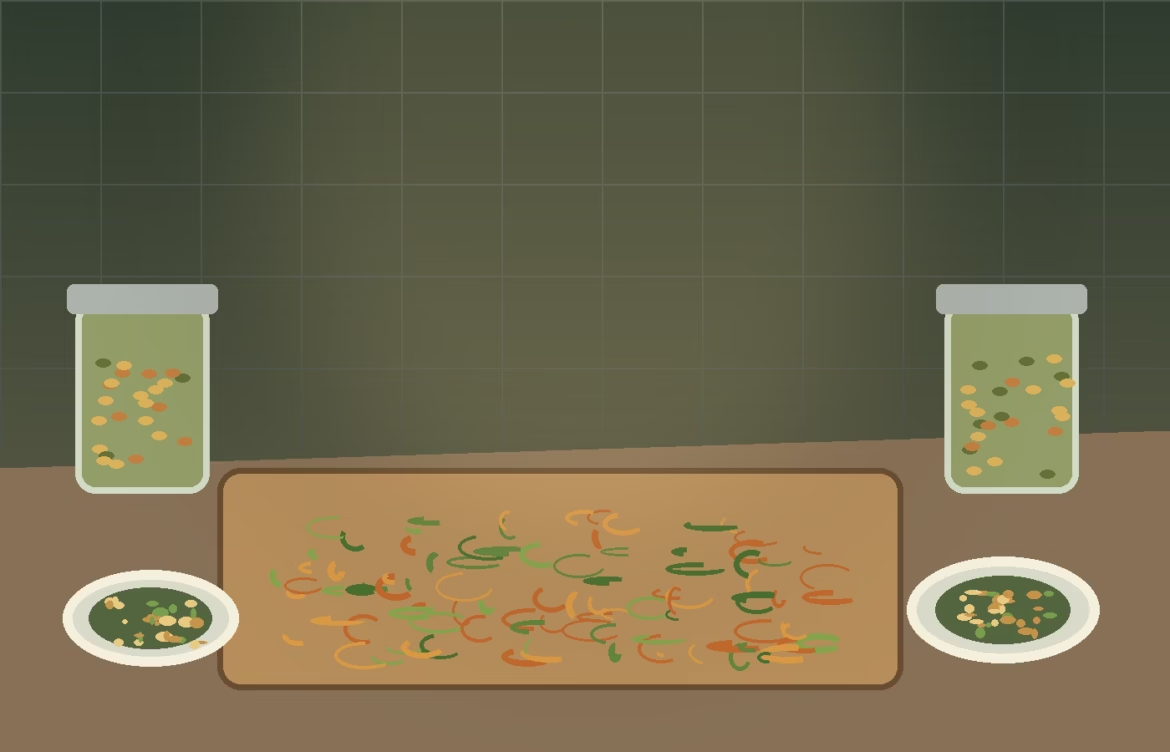
The technical insight is simple but demanding: a kitchen working with tamarind, coconut, pandan, curry leaf, kaffir lime and fermented pastes already has a deep pantry of non-alcoholic flavour. The trimmings from that pantry — fruit and vegetable scraps, spent fermentation liquids, herb stems — can become infusions, ferments and aromatic bases.
Coconut Water, Sourdough Starter, Sea Kelp
These are not random substitutions for wine. Coconut water fermented with sourdough starter brings acidity and gentle funk. Lemon–sea kelp infusion adds salinity and length. The pairing is designed to perform the same structural role as a wine flight: cutting richness, lifting aromatics and resetting the palate between courses.
Why Green Stars Still Matter
Michelin’s Green Star is awarded to restaurants with a remarkable commitment to sustainability, and Seroja’s continued recognition signals that the guide is willing to reward kitchens that treat waste as a design constraint. For diners, the star is a signal that the restaurant has been assessed on more than sauce work.
The Economics of By-Product Mixology
A zero-waste drinks programme is not automatically cheaper. It requires fermentation space, trained staff, quality control and a menu that can absorb changing by-product streams. But it reduces reliance on bottled products, lowers packaging waste and gives the kitchen a second revenue channel from ingredients already paid for.
The broader lesson for Singapore’s restaurant sector is that upcycling is most durable when it is embedded in the business model rather than added as a side project. Seroja’s pairing works because it is part of the tasting-menu experience, not a charity add-on. Diners pay for it, remember it and talk about it — which is exactly how zero-waste dining moves from niche to normal.