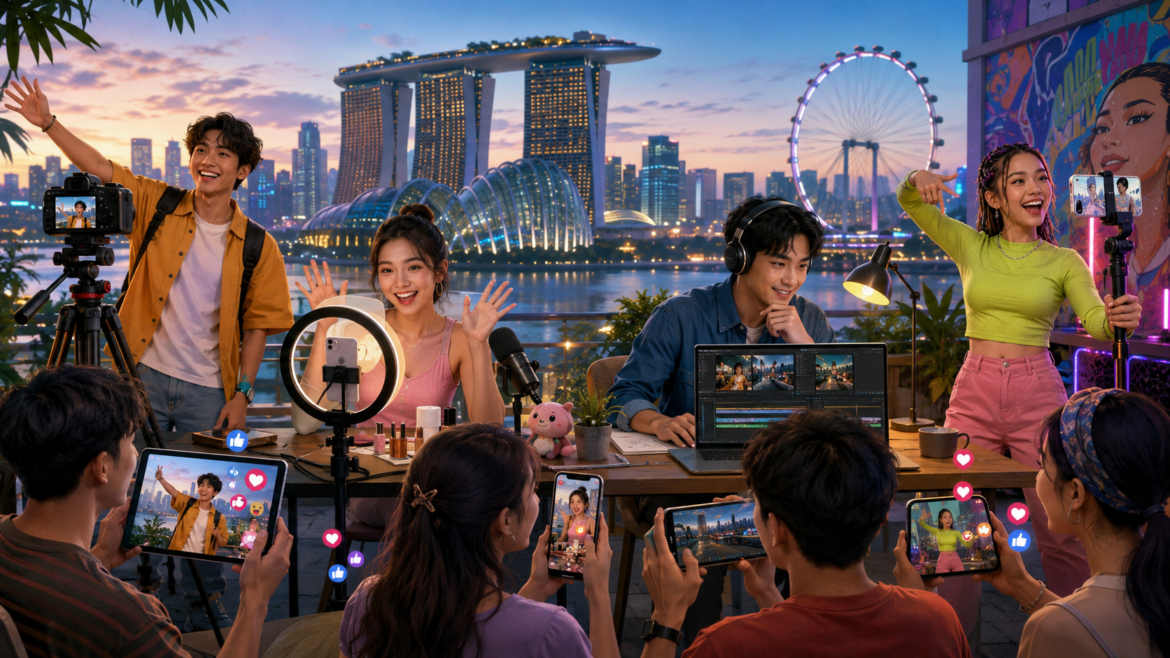
Influencers and YouTubers have become central figures in Singapore’s modern entertainment culture. Their rise reflects a major shift in how people consume media. Instead of waiting for scheduled television programs or relying only on cinema releases and celebrity news, audiences now turn to digital creators for daily entertainment. These creators provide comedy, reviews, opinions, tutorials, lifestyle stories, challenges, documentaries, and behind-the-scenes glimpses into Singaporean life.
One of their strongest contributions is creating a direct connection with audiences. Traditional celebrities are often separated from fans by managers, media companies, and formal publicity systems. Influencers, by contrast, communicate through comments, livestreams, polls, direct messages, and community posts. This interaction makes viewers feel involved. They can suggest topics, react instantly, and even influence what content creators make next. Entertainment becomes a two-way relationship rather than a one-directional broadcast.
Singaporean influencers also help localize digital entertainment. Many global trends enter Singapore through TikTok, YouTube, and Instagram, but local creators adapt them to fit Singaporean humor, values, and social habits. A global challenge, meme, or video format may be transformed with references to hawker centres, MRT rides, school exams, local neighborhoods, office culture, or family expectations. This makes international digital culture feel relevant to Singapore’s own society.
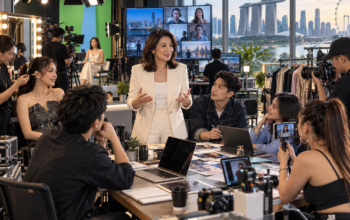
In addition, YouTubers have expanded the meaning of entertainment production. Many channels operate like small media studios. They plan scripts, shoot videos, edit professionally, manage social media pages, negotiate sponsorships, and analyze audience data. This professionalization has made YouTube a serious part of the entertainment economy. Some creators are no longer working alone; they have teams that function similarly to production houses, but with more flexibility and closer audience feedback.
Influencers also serve as bridges between brands and entertainment audiences. In Singapore, where consumers are highly connected online, influencer marketing has become a common strategy. A beauty creator may introduce a new product through a tutorial. A food YouTuber may feature restaurants or hawker stalls. A lifestyle influencer may promote events, fitness programs, or travel experiences. These promotions can be effective because audiences often feel they are receiving advice from someone they know.
The impact of digital creators is also visible in youth culture. Younger audiences often discover trends, slang, music, fashion, and events through online personalities. Influencers can make certain places popular, bring attention to local businesses, or create viral discussions around social issues. This gives them cultural power, especially among viewers who spend more time online than with traditional media.
However, this influence comes with difficulties. The need for constant engagement can push creators to chase trends, exaggerate opinions, or reveal too much personal information. There is also the risk of misinformation, hidden advertising, and online backlash. Because Singapore is culturally diverse, creators must be aware of how jokes, comments, and portrayals may affect different communities.
Despite these challenges, influencers and YouTubers have added energy to Singapore’s entertainment industry. They have made it easier for local voices to be heard, encouraged creative experimentation, and built stronger connections between entertainers and audiences. Their role shows that entertainment in Singapore is becoming more participatory, personal, and digitally driven.