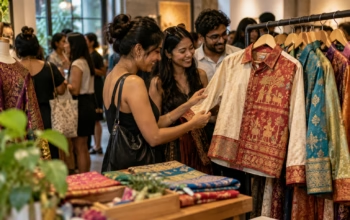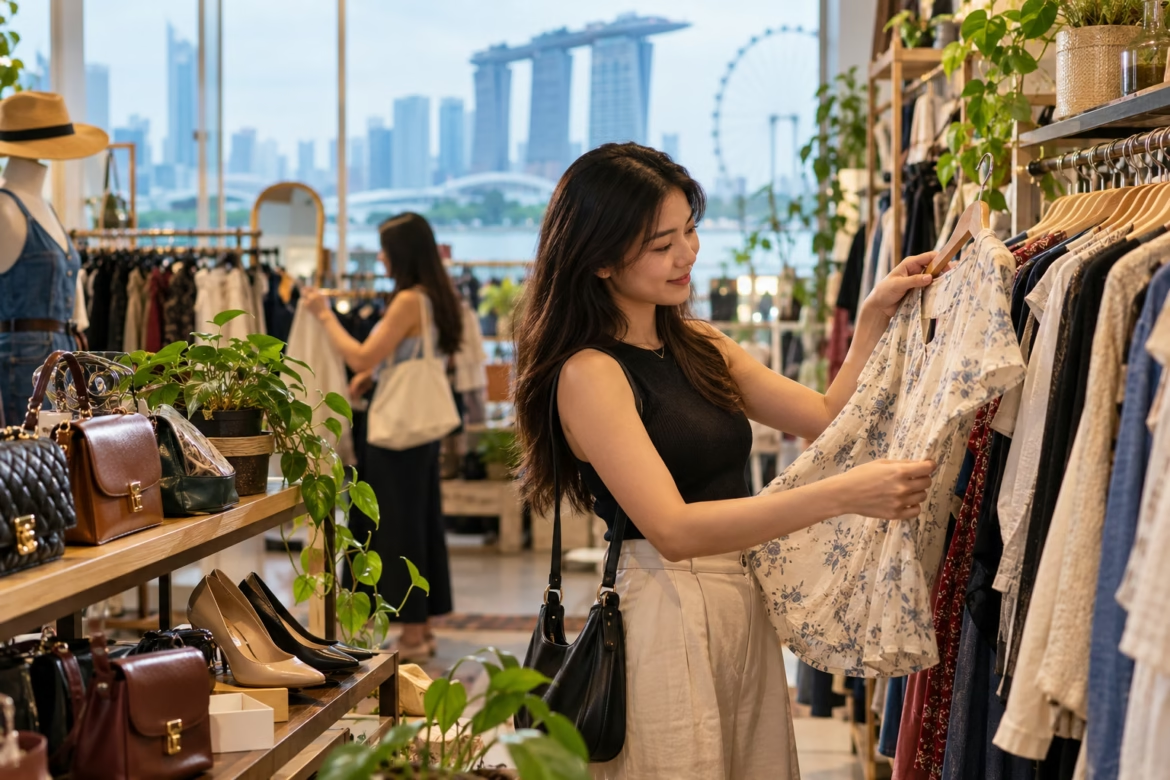
The resale economy in Singapore has become a layered market. General marketplaces such as Carousell sit alongside specialist luxury platforms and local consignment operators, each serving a different level of trust, price and convenience. In 2026, the competition is less about who can list the most second-hand clothes and more about who can make resale feel safe, fast and socially desirable.
A multi-tier marketplace
At the mass-market end, Carousell remains a familiar starting point for wardrobe clear-outs: https://www.carousell.com.sg/. Its scale gives sellers reach, but buyers often need to assess photos, measurements and seller history carefully. At the premium end, platforms such as Vestiaire Collective appeal to shoppers who want authenticated designer pieces and structured dispute processes. In between, local consignment stores and Instagram-based sellers curate edits for officewear, streetwear and occasion dressing. This tiering matters because “resale” is not one behaviour; it is a spectrum from thrift to investment dressing.
Textile waste adds urgency
Singapore’s waste data provide a sobering backdrop. The National Environment Agency’s public waste statistics show that textile waste remains a significant stream with low recycling rates, meaning most discarded fabric is incinerated rather than returned to material loops: https://www.nea.gov.sg/our-services/waste-management/3r-programmes-and-resources/waste-management-and-recycling-statistics. Resale is not a complete fix, but it delays disposal and keeps wearable garments in use. That practical argument resonates with consumers who may be sceptical of green marketing but still want to avoid throwing away good clothes.
Gen Z and the “haul” backlash
Consumer attitudes are also changing. The glossy “haul culture” of fast fashion is facing pushback from younger shoppers who value uniqueness, provenance and cost-per-wear. Preloved fashion offers a way to experiment with identity without buying new. Still, price sensitivity cuts both ways: if resale becomes too expensive or too cumbersome, shoppers may revert to new fast fashion. The market’s challenge is to keep resale affordable while professionalising service.
Operational bottlenecks remain
Logistics, photography and returns are underestimated costs. Sellers want quick payouts; buyers want accurate descriptions. Authentication is essential for luxury but costly at lower price points. In 2026, the most promising models combine technology with physical touchpoints, such as drop-off points, pop-up validation events and brand-backed trade-in schemes. Singapore’s compact geography is an advantage here: same-day collection and centralised inspection can make resale feel closer to conventional retail.