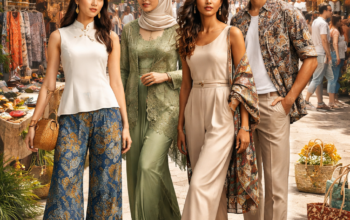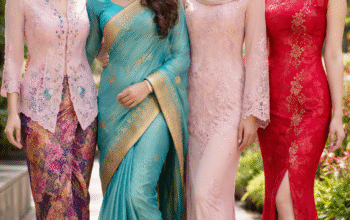
For fashion enthusiasts, Singapore is less a city and more a giant, multi-level wardrobe. Its malls are famous across Asia, and its local labels are increasingly recognized around the world. To really appreciate the city’s fashion ecosystem, it helps to look at the different tiers of shopping available: luxury, high-street, and independent.
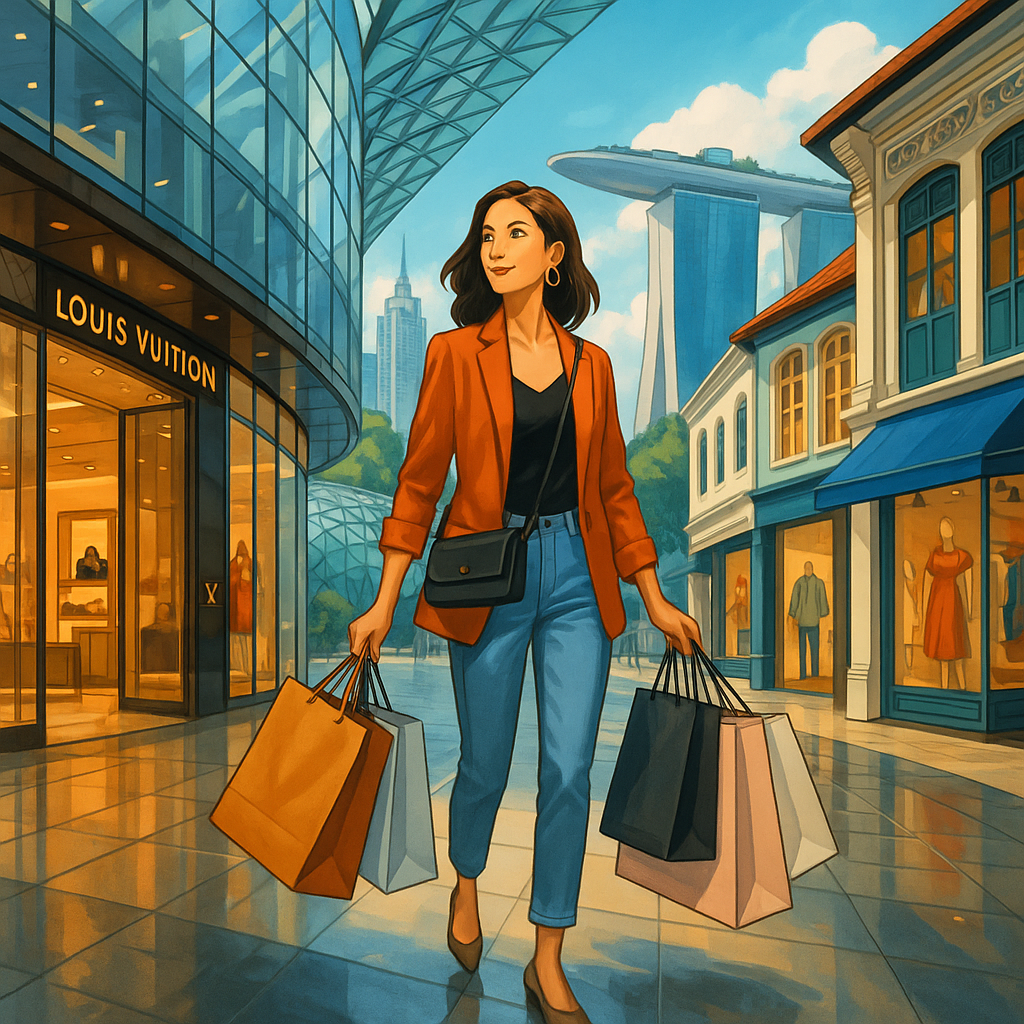
On the luxury front, two main areas dominate. The first is Orchard Road, with ION Orchard, Paragon, and Ngee Ann City acting as anchor destinations for designer names. ION Orchard packs a sizeable luxury floor, featuring household fashion houses such as Louis Vuitton, Prada, and Dior Men, alongside watch and jewelry boutiques. Paragon continues this theme with a strong emphasis on premium footwear, cutting-edge ready-to-wear, and luxury accessories. Ngee Ann City, in addition to its Takashimaya department store, hosts a range of mid- to high-end labels that appeal to shoppers who favour timeless pieces.
The second luxury stronghold is The Shoppes at Marina Bay Sands. Here, the layout gives each brand an almost gallery-like setting, with generous frontage and dramatic window displays. Many of the boutiques stock resort-ready pieces, eveningwear, and statement accessories designed for both tourists and local clientele attending events in nearby hotels and casinos. Window shopping here is almost as enjoyable as buying.
In the high-street segment, Singapore’s malls shine through their variety and efficiency. 313@Somerset, Bugis Junction, and VivoCity are strong examples. 313@Somerset is packed with youth-driven fashion—think Uniqlo basics, Cotton On casuals, and a rotation of pop-up stores. Bugis Junction and the adjacent Bugis+ combine international brands with smaller stalls that sell Korean-inspired pieces, affordable dresses, and hijab-friendly styles. VivoCity, located near Sentosa, balances family-friendly fashion with beach-friendly wear, making it ideal if you plan to visit the island’s attractions.
Where Singapore really distinguishes itself, however, is in its local designer and indie scene. Design Orchard functions as a one-stop showcase for Singapore brands, from minimalist womenswear to bold graphic tees and accessories that play with local culture. Labels such as Love, Bonito focus on flattering cuts for Asian body types, while Beyond The Vines and The Editor’s Market are known for their playful yet practical designs. For something more experimental, concept stores and alternative fashion labels can be found in areas like Orchard Gateway or in smaller units within larger malls.
Neighborhoods away from the main shopping strips add depth to the fashion landscape. Haji Lane has become a must-visit for its colorful murals and tightly packed boutiques selling everything from festival-style outfits to handcrafted jewelry. Tiong Bahru, with its mix of old apartments and trendy cafés, offers a softer, more curated selection of clothing stores, often leaning towards slow fashion and sustainable materials. These areas are ideal for travelers who want pieces that feel unique to Singapore rather than easily found abroad.
Shopping in Singapore comes with a few perks. Many malls are connected via underground walkways, which means you can avoid the tropical heat while moving from one cluster of stores to another. Tourists spending above a minimum threshold at participating shops may be able to claim tax refunds at the airport, so it’s worth checking signage or asking staff for details. Sales are frequent, particularly around public holidays and the mid-year period, so patient shoppers can often secure attractive discounts.
Taken as a whole, the city’s fashion offering is dense, organized, and surprisingly easy to navigate. Whether your suitcase leaves Singapore filled with designer labels, indie pieces, or casual basics, you’ll have experienced a retail culture that takes fashion very seriously—without losing its sense of fun.