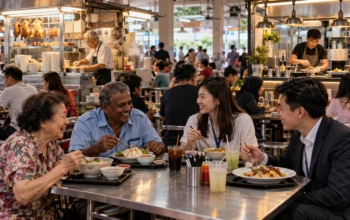
Singapore’s culinary landscape mirrors its multicultural population, making the city a paradise for food explorers. Each district boasts a variety of dishes that reveal the city’s history, traditions, and community influences. From hawker stalls to sophisticated restaurants, every neighborhood has something unique to offer.
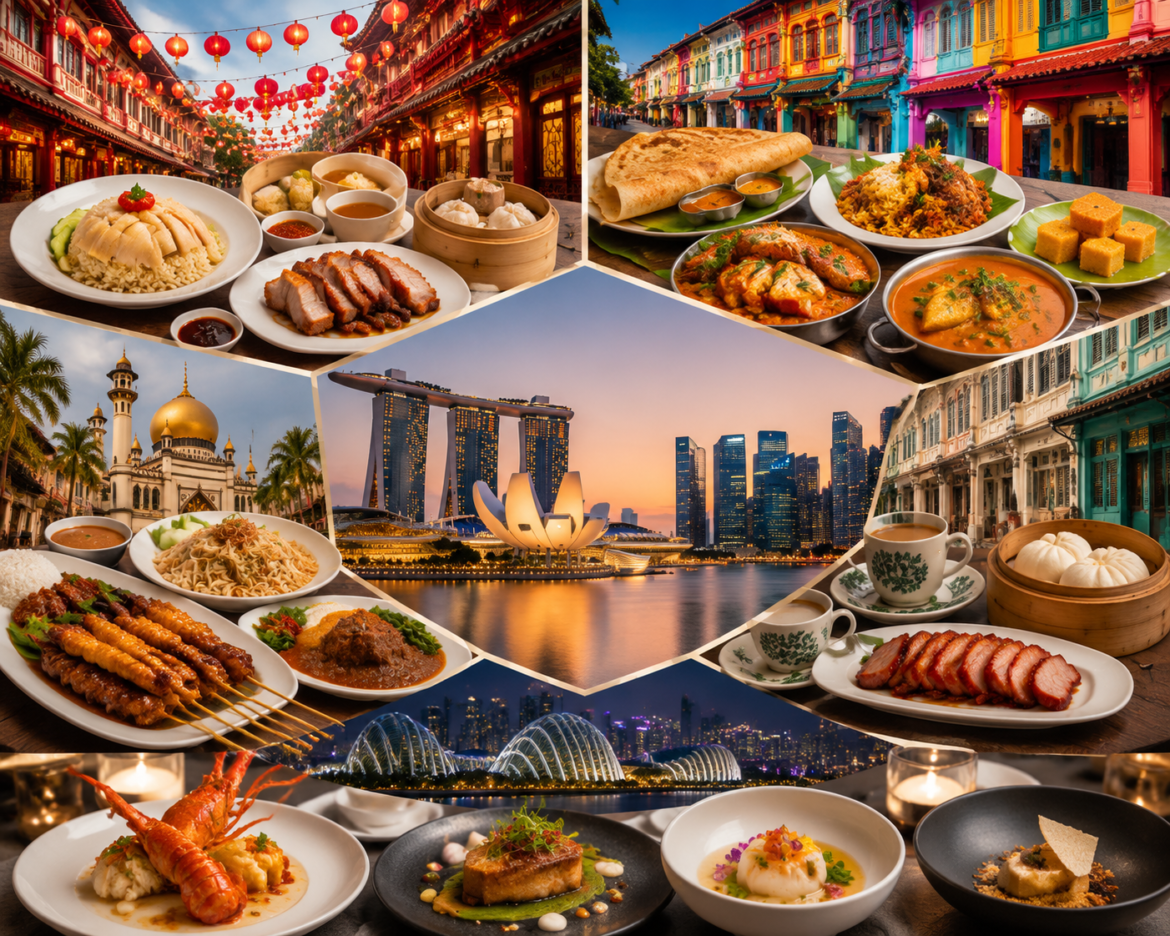
Chinatown serves as the epicenter of Chinese gastronomy in Singapore. Here, one can indulge in traditional dishes like char siu, wonton noodles, and Hainanese chicken rice. Many establishments have retained their original recipes for decades, giving visitors an authentic taste of local heritage. Beyond the food itself, the bustling streets and colorful markets provide context for the culinary culture, highlighting the social and historical roots of the dishes.
In Little India, flavors are intense and aromatic, showcasing Indian culinary traditions. Signature offerings include chicken curry, biryani, roti prata, and a variety of vegetarian specialties. The liberal use of spices such as cardamom, turmeric, and chili creates a vibrant and layered taste profile. Little India’s food scene combines age-old family recipes with modern dining spots, allowing visitors to experience the district’s heritage and innovation side by side.
Kampong Glam, historically a Malay-Muslim enclave, is rich with traditional dishes and exotic spices. Nasi padang, mee rebus, and satay dominate menus in the district, with flavors often enhanced by coconut milk and aromatic herbs. The area’s culinary diversity stems from centuries of trade and migration, making it a unique blend of Malay, Middle Eastern, and Southeast Asian influences. Small eateries and street stalls coexist with contemporary restaurants, providing options for every taste and budget.
The Tiong Bahru district offers a mix of old and new culinary experiences. Classic hawker fare like bak kut teh and char siew pau can be paired with modern cafés serving artisan coffee and gourmet desserts. This combination attracts locals and tourists alike, creating a dynamic food scene where tradition meets creativity. Tiong Bahru’s charm lies in its unpretentious atmosphere, making it perfect for leisurely food explorations.
Finally, Marina Bay embodies Singapore’s cosmopolitan and luxurious dining experience. High-end restaurants and fine-dining establishments dominate the skyline, offering innovative dishes that fuse local flavors with international cuisine. Seafood delicacies, reinvented classics, and avant-garde presentations characterize the district’s culinary offerings. Marina Bay demonstrates how Singaporean cuisine has evolved into a sophisticated and globally recognized gastronomy hub.
Sampling food across Singapore’s districts is more than a culinary adventure; it is a cultural immersion. Each area highlights the influences of different communities, the richness of historical connections, and the innovative spirit of contemporary cuisine. By tasting the flavors from every corner, visitors gain a comprehensive understanding of what makes Singapore’s food culture truly remarkable.