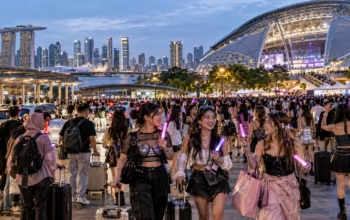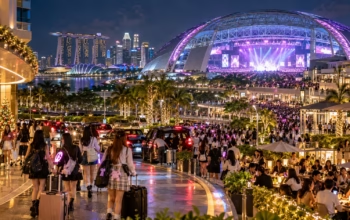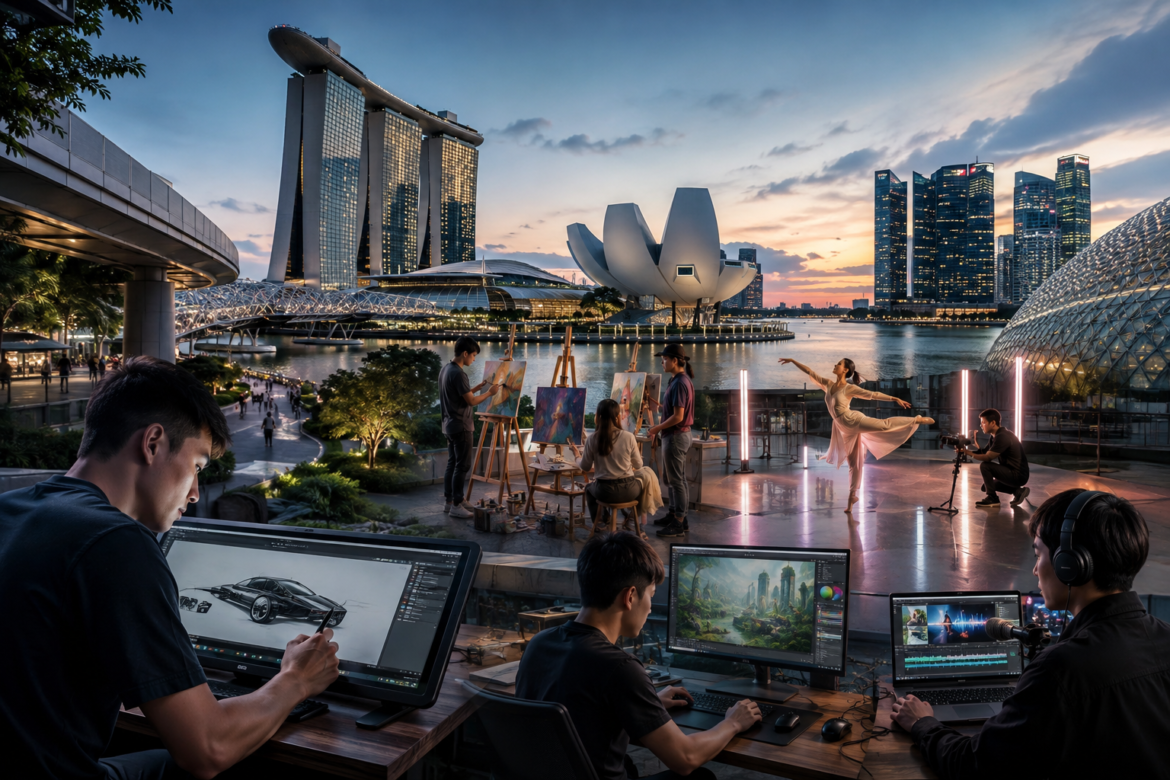
Singapore has long been recognized for finance, logistics, and technology. In 2026, however, creative professionals are emerging as a new class of growth drivers. According to the Infocomm Media Development Authority’s 2026 digital economy outlook, digital content exports have risen sharply, and creative services now feature among Singapore’s fastest-growing trade categories (IMDA).
Creative Sector by the Numbers
Official statistics paint a clear picture. The design, arts, and media industries together contribute around S$8 billion in value-added annually. Employment in these fields exceeds 150,000, with the digital creator segment expanding most quickly. This growth reflects both organic market demand and consistent government investment in creative infrastructure and talent development.
The Designer’s Expanding Role in Sustainability and AI
Designers in Singapore are moving into critical problem-solving roles. They use artificial intelligence to accelerate prototyping, test sustainable materials, and personalize user experiences. Design firms now work with government agencies on public housing, healthcare, and transport projects. This shift from aesthetics to systems-level design has raised the economic value of the profession and opened new export opportunities.
Artists and the Global Art Market
The visual arts have gained stronger commercial footing. Art fairs, gallery weekends, and museum exhibitions attract thousands of international visitors each year. Singaporean artists are increasingly represented by regional galleries and participate in biennales across Asia and Europe. The National Arts Council’s international residency programs help artists build global networks, which translates into higher sales and greater cultural influence.
Digital Content Creation as a Mainstream Career
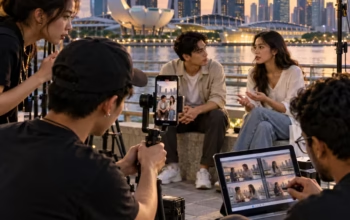
Digital content creation is no longer a side hustle. Creators produce branded video series, interactive live streams, and educational content for regional audiences. Platforms such as YouTube, TikTok, and Twitch have established large operational bases in Singapore, giving local creators direct access to monetization tools and analytics. Advertising agencies and consumer brands now routinely collaborate with Singaporean creators to reach Gen Z and millennial consumers.
Infrastructure, Funding, and Talent Development
Singapore’s creative industry benefits from strong infrastructure. Specialized co-working spaces, media production facilities, and funding programs for original intellectual property are widely available. The 2026 policy framework emphasizes responsible AI use, digital copyright enforcement, and regional co-productions. As designers, artists, and digital creators collaborate more frequently, they are building a creative economy that is both commercially viable and culturally significant.