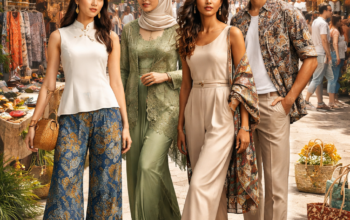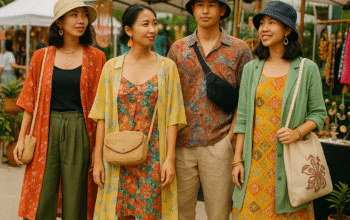
Singapore, a global hub of commerce and culture, prides itself on its diverse population and the harmonious coexistence of various ethnic groups. The country’s rich cultural landscape is reflected in its traditional clothing, which tells the stories of its people’s heritage. While contemporary fashion trends continue to evolve, traditional garments such as the kebaya, saree, baju kurung, and cheongsam remain deeply embedded in the country’s cultural identity. These garments have adapted to modern fashion sensibilities without losing their significance, allowing them to remain relevant in Singapore’s ever-changing fashion scene.
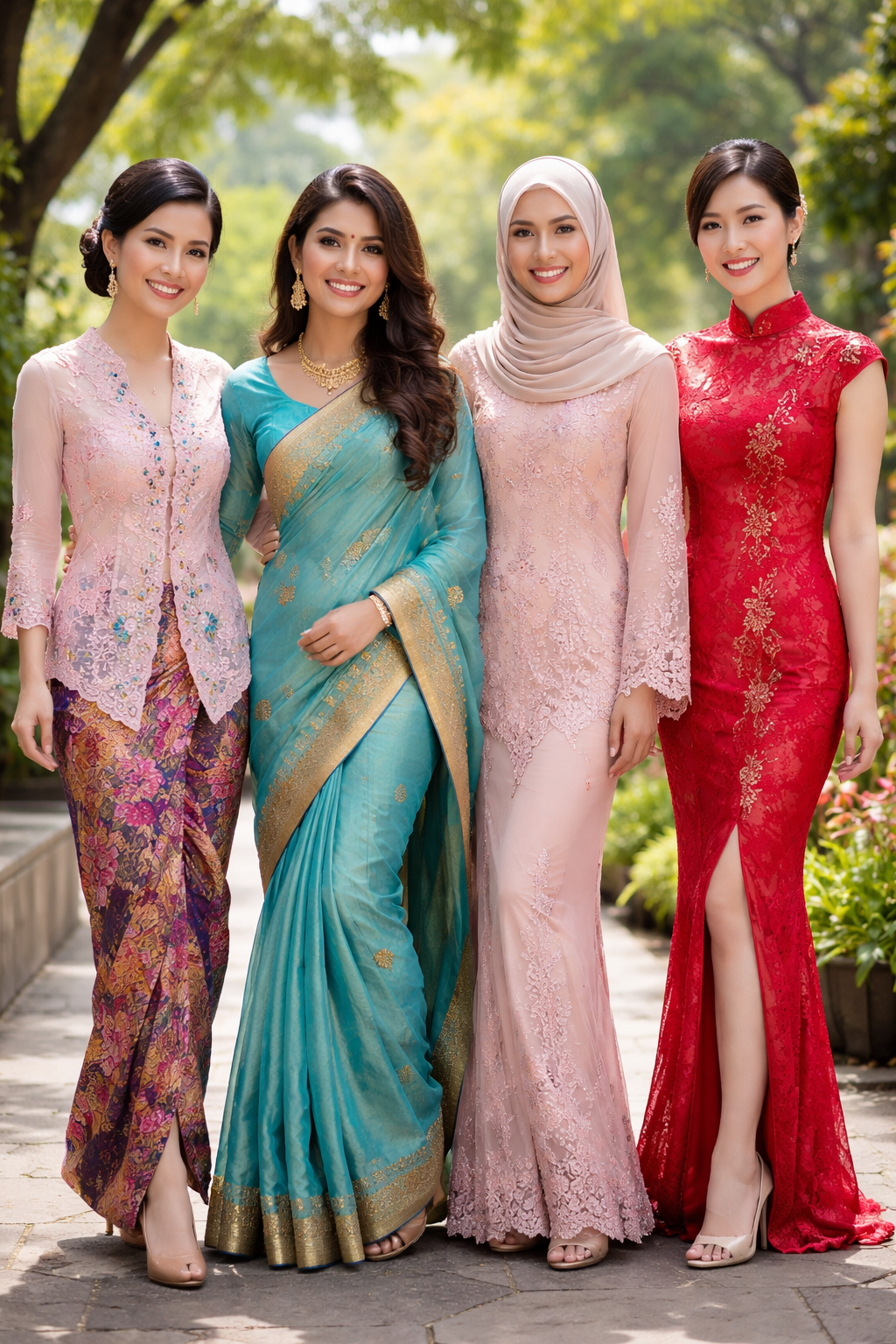
The kebaya is an iconic garment worn by the Peranakan community, which blends Chinese and Malay cultural influences. Traditionally, the kebaya was a long-sleeved blouse made of fine silk or cotton and adorned with intricate lacework. Today, the kebaya has been reinterpreted in various ways. Designers use lighter fabrics such as chiffon and satin, and modern cuts have replaced the classic full-length blouse with more contemporary, shorter versions. This has allowed the kebaya to transition from being a ceremonial garment to a fashion-forward piece worn by younger generations. The modern kebaya is often paired with modern skirts or pants, making it a versatile choice for both formal and casual occasions.
For the Indian community, the saree continues to be a symbol of grace and tradition. Traditionally, the saree is a piece of unstitched fabric, draped in various styles around the body. While the traditional saree is made from heavy fabrics like silk, the modern saree has been adapted to use lighter materials such as chiffon, georgette, and crepe. These innovations have made the saree more wearable and comfortable, even for day-to-day wear. Designers now experiment with different draping techniques, offering more options for women who want to wear their sarees in unique ways. In addition, creative prints and embellishments have allowed the saree to stay fresh and fashionable while still maintaining its cultural roots.
The baju kurung and baju melayu are traditional Malay garments that reflect the modesty and elegance of the Malay community. The baju kurung, worn by women, is a long, loose-fitting tunic paired with a matching skirt or sarong. While the baju kurung has maintained its traditional form, modern adaptations include lighter fabrics, shorter cuts, and bolder prints. Similarly, the baju melayu worn by men, originally designed as a modest outfit, has seen changes in style and color. Slimmer cuts and more vibrant hues have made the baju melayu a popular choice for both casual and formal events.
The cheongsam, once a daily wear garment for Chinese women, has become a symbol of sophistication. This figure-hugging dress with a high collar and side slits is a traditional Chinese garment that has evolved into a modern fashion statement. Today, designers offer updated versions of the cheongsam, incorporating diverse fabric choices, such as silk blends and satin, and adding innovative twists to the classic cut. The cheongsam is no longer limited to formal events; it is now worn for a variety of occasions, from weddings to modern-day parties.
As fashion trends continue to shift, Singapore’s traditional clothing remains relevant, thanks to the creative efforts of designers who are blending heritage with modernity. By incorporating traditional designs into contemporary pieces, they ensure that these garments remain wearable and appealing. The interplay of tradition and modernity allows Singaporeans to maintain a deep connection to their cultural roots while celebrating the evolving nature of fashion.