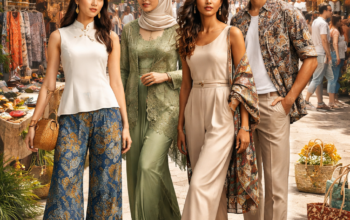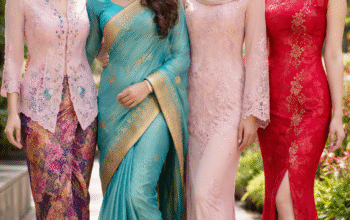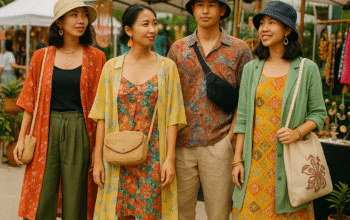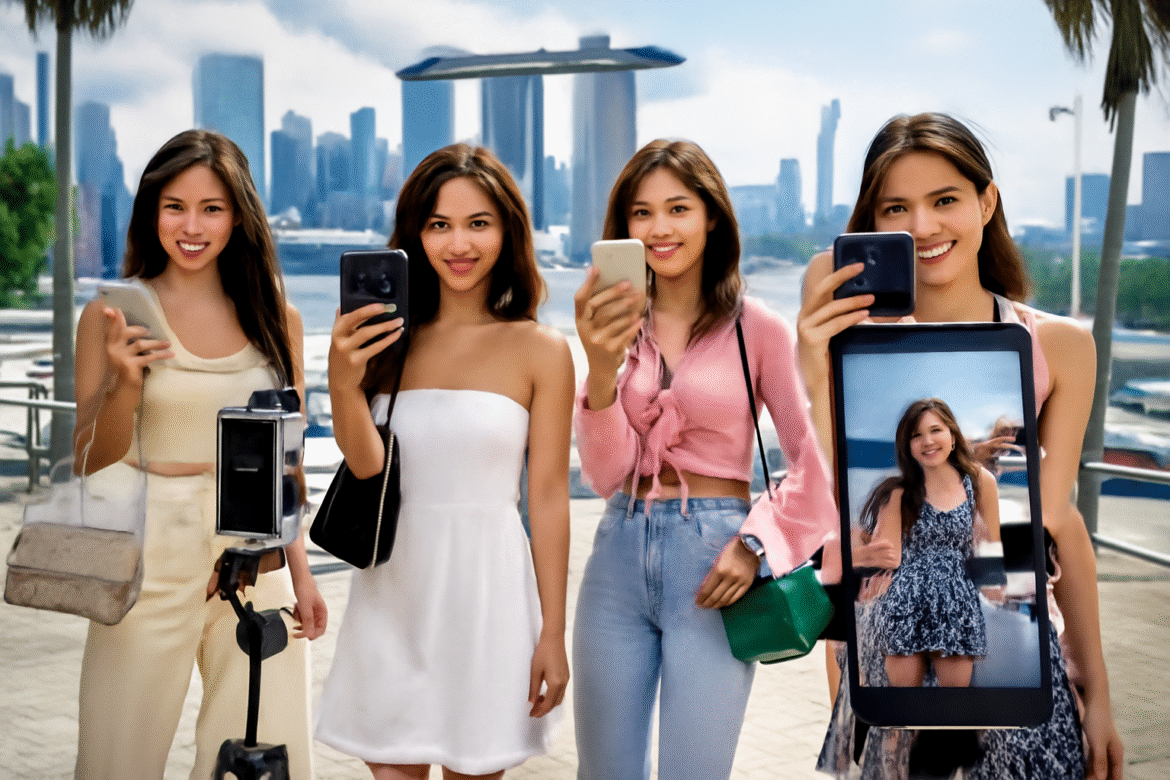
In Singapore, fashion is not just about what’s on the runway or in luxury boutiques; it’s also heavily influenced by the ever-present world of social media. Platforms such as Instagram, TikTok, and Facebook have become integral parts of how fashion trends emerge and gain traction. These platforms have become vital tools not only for influencers and brands but also for everyday consumers who are eager to share their personal style and be part of a larger cultural conversation.
The key impact of social media on fashion in Singapore lies in its ability to foster instant communication and trend dissemination. As new trends are posted by local influencers, they quickly catch the attention of their followers, who eagerly replicate these looks. Whether it’s a fresh take on casual wear or the latest in high-fashion street style, social media provides a platform for styles to be shared, modified, and amplified across various social circles. This rapid spread of trends gives social media the power to shape fashion choices almost in real-time, which is a stark contrast to the traditional fashion cycle that once dictated what was in style.
Instagram has become the primary platform for fashion lovers in Singapore. Its visual nature allows users to express their creativity through carefully curated photos and videos, showcasing everything from accessories to complete outfits. Fashion brands and influencers alike use Instagram to connect with their audience, sharing everything from behind-the-scenes looks at fashion shows to styling tips and product launches. Hashtags, collaborations, and paid partnerships further help these posts gain visibility, allowing for new trends to be spread to a larger audience.
TikTok, on the other hand, offers a more dynamic, video-based approach to fashion trendsetting. The app’s short-form video format enables creators to showcase their personal style in a more interactive way. Whether it’s through “outfit transformation” videos or fashion challenges, TikTok provides users with a platform to creatively express their love for fashion. In Singapore, this has led to the rapid viral spread of fashion trends, as young people often create content centered around the latest looks or viral clothing items. This fast-paced, trend-driven environment is ideal for Singapore’s fashion-forward community, which thrives on constantly evolving and experimenting with new ideas.
Social media also plays a critical role in the growing trend of body positivity and inclusivity in Singapore’s fashion world. Fashion influencers and content creators from diverse backgrounds and sizes have gained popularity, creating a more inclusive view of what fashion should look like. The traditional fashion industry has often been criticized for its narrow standards of beauty, but social media has provided a platform where anyone can showcase their style, regardless of body shape or ethnic background. This has allowed for a broader spectrum of fashion trends to emerge, encouraging diversity and creating more acceptance in the industry.
For local fashion brands in Singapore, social media is a powerful tool for marketing and customer engagement. Singaporean designers and labels have embraced social media platforms to promote their designs, build their brand, and connect with their audience directly. The ability to engage in real-time interactions, provide sneak peeks of upcoming collections, and share exclusive content has helped these designers gain a loyal following. Additionally, social media platforms allow for an international reach, helping local brands break into the global fashion market.
The shopping experience itself has been transformed by social media. Through posts, stories, and influencer recommendations, social media platforms serve as virtual storefronts. Fashion brands can post direct links to their products, enabling followers to shop seamlessly. This integration between content creation and commerce has made social media a crucial tool in driving consumer purchasing decisions in Singapore’s fashion market.
Lastly, social media is playing a key role in promoting sustainability in fashion. Many influencers in Singapore have used their platforms to promote eco-conscious fashion choices, from thrifting and second-hand shopping to advocating for brands that focus on ethical production and sustainability. Social media has helped raise awareness about the environmental impact of fast fashion and has sparked a movement toward more responsible consumption in the fashion industry.
The combination of instant connectivity, wide reach, and creative expression has made social media an undeniable force in the evolution of fashion trends in Singapore. Whether through promoting local designers, fostering inclusivity, or driving the latest viral fashion trends, social media is at the forefront of Singapore’s fashion revolution, influencing what people wear and how they experience fashion.