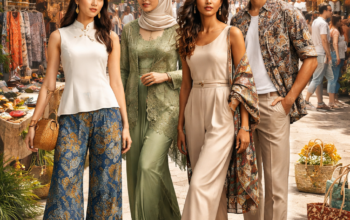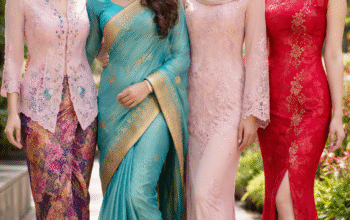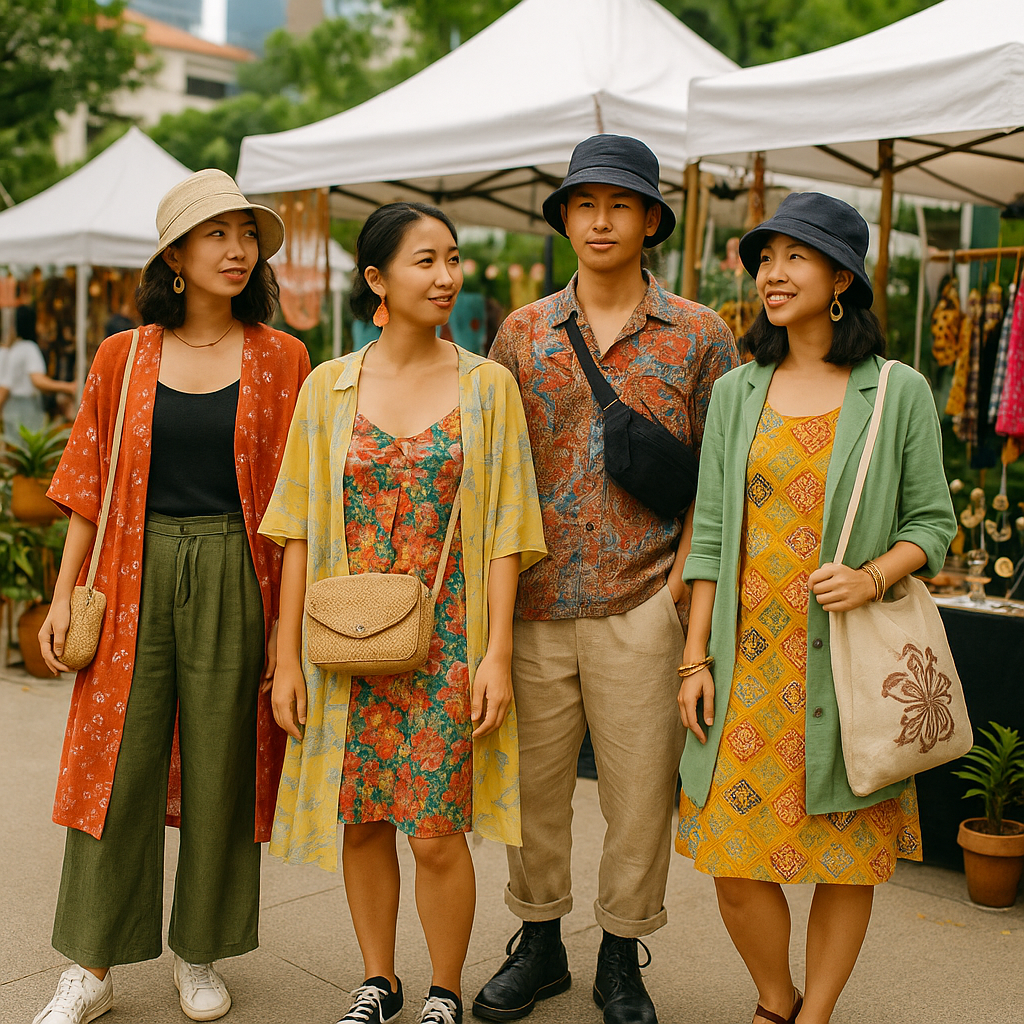
Among younger generations in Singapore, festival fashion has become a powerful tool for self-expression and identity. Music events, night festivals, and creative markets offer rare pockets of time where rules are relaxed, dress codes soften, and experimentation is encouraged. For many youths, these gatherings are occasions to showcase their personal style while championing local designers and conscious fashion choices.
Streetwear heavily influences festival outfits in Singapore. Oversized tees printed with bold graphics from homegrown brands, cargo pants tailored for comfort, and sneakers customized with hand-painted designs are common sights. Young Singaporeans mix and match luxury items, thrifted finds, and independent label pieces to create looks that are playful and unexpected. Layering is key, even in a warm climate: mesh tops over bralettes, open shirts over crop tops, and utility vests worn over simple dresses allow for texture and depth without adding too much heat.
What sets Singapore’s youth festival fashion apart is the strong sense of local pride. Instead of exclusively chasing international labels, many young people deliberately seek out Singapore-based designers. Hoodies featuring illustrations of HDB blocks, T-shirts with cheeky Singlish phrases, or bags inspired by traditional market totes reflect everyday life in the city. These designs transform ordinary symbols into fashion statements, turning urban landmarks and local slang into wearable art.
Sustainability is an equally important pillar. Thrifting and upcycling have become almost synonymous with festival preparation for many. Clothing swaps organized before major festivals help attendees refresh their wardrobes without buying new items. Some young creatives even run micro-businesses customizing secondhand garments—bleaching, dyeing, cropping, or stitching patches—to create one-of-a-kind festival pieces. At events, visitors encounter racks of pre-loved clothes curated by local sellers, encouraging a circular approach to fashion.
Accessories and beauty choices also play a significant role in festival looks. Glitter and face stickers are often replaced with more eco-friendly options or skipped entirely in favor of statement jewelry and creative eyeliner. Chunky rings made by local artisans, beaded necklaces, or woven bracelets add color and personality. Hair styling ranges from neon extensions and braids to sleek buns and undercuts, reflecting diverse influences from K-pop, J-pop, and global street style filtered through a distinctly Singaporean lens.
Crucially, festival spaces offer room for fluid gender expression. Many youths feel more comfortable experimenting with androgynous silhouettes or genderless clothing at these events. Oversized shirts, wide-leg trousers, harnesses, and skirts appear across the spectrum of gender identities, challenging traditional norms. Local brands increasingly respond with collections that avoid gendered labeling, promoting fit and comfort as the main considerations.
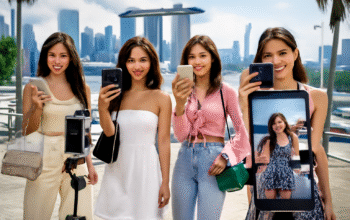
Social platforms amplify these fashion moments. Outfit-of-the-day posts, style reels, and group photos shot against mural walls, light projections, or iconic buildings turn festival fashion into a collaborative digital gallery. Young Singaporeans use these posts not just to show what they wore but to tag designers, thrift stores, and artisans, reinforcing a culture of mutual support within the local creative scene.
Through this interplay of streetwear, sustainability, and personal expression, festival fashion among Singapore’s youth reflects deeper shifts in values. It highlights a move away from fast, disposable trends toward thoughtful choices, cultural pride, and community-driven creativity. In these spaces, what people wear is not merely decorative; it becomes a visual language that tells stories about who they are and the city they call home.