For Muslim travelers, one of the key concerns when visiting a new destination is access to reliable halal food. Singapore has positioned itself as a Muslim-friendly hub in Southeast Asia, providing a broad range of halal options that accommodate backpackers, families, and business visitors alike. With clear certification systems and strategic locations of halal outlets, exploring the city becomes a more relaxed and enjoyable experience.
The journey often begins at Changi Airport, where travelers can already find halal-certified eateries in the terminals. This makes it easy to have a meal before heading into town, especially after a long flight. Outlets are clearly labeled, and many display the MUIS halal logo, signaling that they meet strict standards regarding ingredients and preparation. For transit passengers, this early access is particularly reassuring.
Once in the city, popular tourist districts such as Kampong Glam, Bugis, and Orchard Road offer a dense concentration of halal options. Kampong Glam, with its iconic Sultan Mosque, is especially known for Middle Eastern, Turkish, Malay, and Indonesian restaurants. Visitors can enjoy kebabs, shawarma, nasi padang, or grilled seafood while exploring heritage shophouses and cultural attractions. The atmosphere combines historical charm with modern cafés that serve halal brunches, desserts, and specialty coffee.
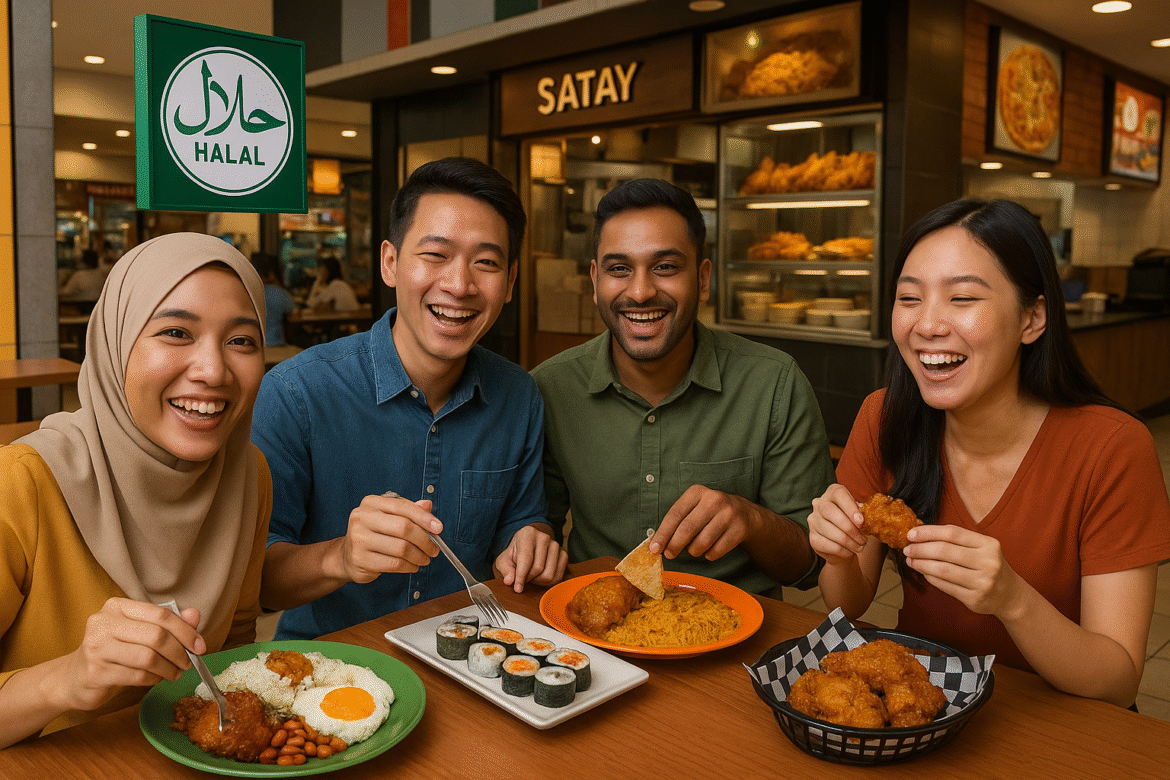
Major shopping malls across the island often house halal-certified chains and food court stalls. This is helpful for travelers who spend the day exploring attractions like Marina Bay Sands, Sentosa, or the Singapore Zoo. After sightseeing, they can head to the nearest mall food court to find a halal meal without needing extensive research. Signboards and directory maps in many malls indicate which outlets are halal-certified, and staff are usually willing to answer questions.
For Muslim families staying in hotels, breakfast arrangements are an important consideration. Some hotels have fully halal-certified kitchens, while others provide separate halal sections or individually prepared halal meals upon request. When booking, it is wise to check the hotel’s policy in advance and ask whether they hold MUIS certification or work with certified suppliers. Travel agencies specializing in Muslim-friendly tourism can also recommend accommodations with proven halal practices.
Tech-savvy travelers frequently rely on mobile apps and online platforms that list halal-certified outlets by district and cuisine. These tools allow users to filter by budget, type of food, and distance from their current location. Paired with Singapore’s efficient public transport system, this makes it easy to plan a day of sightseeing with meal stops built into the itinerary. For example, a visitor might schedule a morning at Gardens by the Bay, followed by lunch at a nearby halal restaurant in the Marina Bay area.
For business travelers, halal fine dining and corporate catering are also available. Some hotels and standalone restaurants offer halal-certified banquet services suitable for conferences, meetings, and networking events. This ensures that Muslim participants can fully engage in professional activities without having to make separate dining arrangements. Hosts benefit as well, since inclusive catering supports diverse teams and international partnerships.
Overall, Singapore’s halal food infrastructure helps Muslim visitors feel welcome and respected. With halal eateries near major attractions, clear certification, and convenient digital tools, the city makes it possible to enjoy its famous food culture while staying true to religious obligations. Whether you are exploring for a weekend or attending a week-long conference, halal dining in Singapore is designed to support a comfortable and inclusive travel experience.