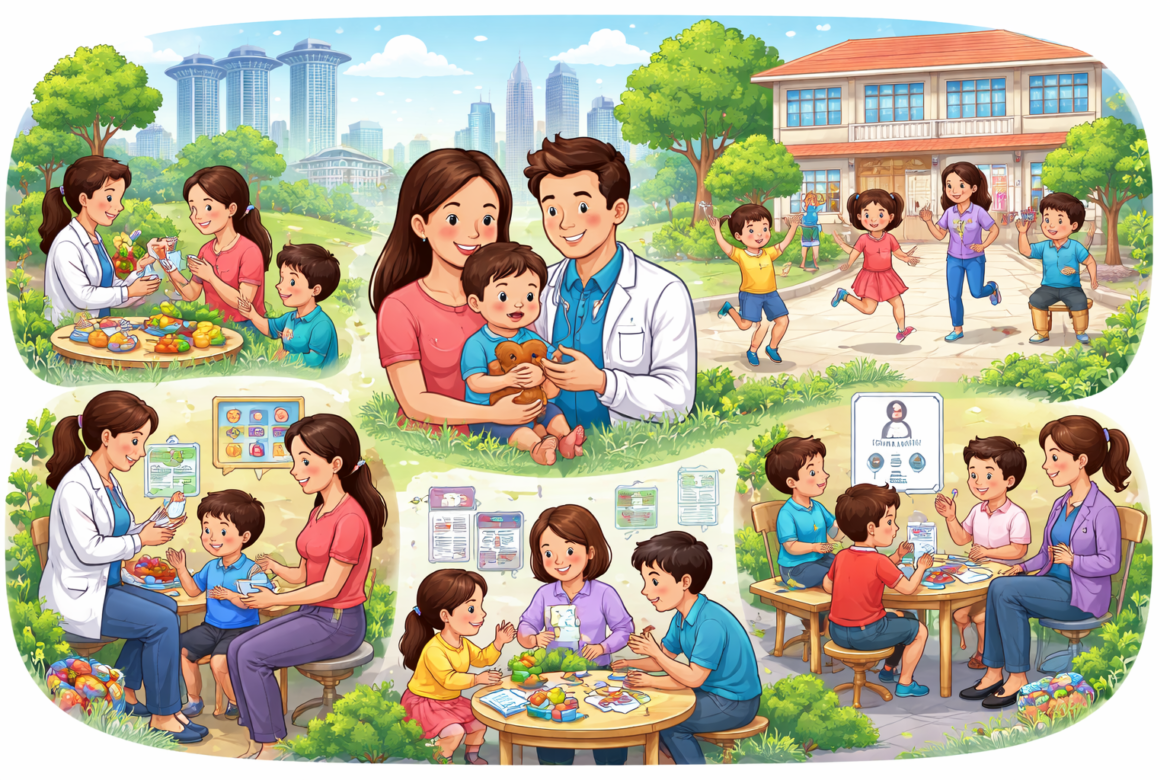
Singapore’s child health system is widely recognized for its organized and preventive nature. It is designed to ensure that children receive care not only when they are sick, but also throughout their development. This includes health supervision, vaccinations, school screenings, nutritional guidance, and support for developmental or emotional challenges. The overall philosophy is clear: healthy childhoods are built through steady attention, not only emergency treatment.
From the earliest stages of life, parents in Singapore are guided to bring their children for regular medical reviews. These appointments are useful for checking height, weight, developmental milestones, and signs of any emerging conditions. Professionals can identify whether a child is progressing normally in speech, motor coordination, behavior, and social interaction. When delays or unusual patterns appear, follow-up referrals can be made quickly. This early action is one of the most important ways Singapore protects child health over the long term.
Vaccination programs are a major element of this system. By maintaining strong immunization practices, Singapore reduces the risk of outbreaks of preventable diseases among children. This is particularly important in dense urban settings where infections can spread rapidly in schools, childcare centers, and public spaces. A well-structured vaccine system helps children stay safer while also protecting the wider population. Parents benefit from clear guidance, and the strong public healthcare network supports implementation.
Singapore also pays close attention to healthy living habits. Government bodies and educational institutions promote proper nutrition, active lifestyles, and daily routines that support children’s physical growth. Campaigns often stress the importance of balanced diets, enough water intake, regular exercise, and sufficient sleep. These messages are not minor additions to healthcare; they are part of a wider strategy to reduce future illness and improve quality of life from an early age.
Schools play a critical role in advancing child health goals. Since children spend a significant portion of their day in school, this setting becomes a natural place for health support. Screenings for eyesight, hearing, posture, and dental conditions help detect issues that may otherwise remain unnoticed. A child who cannot see clearly, for example, may be misjudged as inattentive in class. By identifying such problems early, schools contribute directly to both health and learning outcomes.
Mental health support is becoming increasingly important in Singapore’s child health efforts. Emotional difficulties, social stress, anxiety, and behavioral concerns can affect children just as seriously as physical illness. Singapore has shown growing awareness of this reality by strengthening access to counseling, school support systems, and specialist pediatric mental health services. This approach encourages adults to take emotional changes seriously rather than dismissing them as temporary phases.
Support for children with developmental differences is another essential area. Those with autism, learning challenges, speech delays, or complex medical needs may require more than standard healthcare visits. Singapore has developed early intervention pathways that connect families with therapists, specialists, and educational support. These services aim to improve communication, confidence, adaptive skills, and readiness for school life. Just as importantly, they help parents understand how to support their children consistently at home.
What makes Singapore’s system especially effective is the way different sectors are linked. Healthcare institutions, schools, public agencies, and families each play a role in maintaining child well-being. This coordinated structure allows problems to be identified early and addressed through practical support. By combining prevention, education, and timely intervention, Singapore creates a child health model that is both efficient and deeply focused on long-term development.