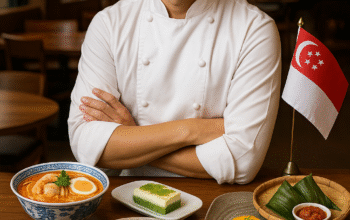
Singapore’s food culture is often praised for its variety, but its real strength lies in the way that diversity has been transformed into a shared national identity. The country is home to several major ethnic communities, and each has contributed to the tastes, cooking styles, and signature dishes that define Singaporean cuisine today. Chinese, Malay, Indian, and Peranakan influences can all be seen in local meals, not as isolated categories but as traditions that constantly interact. This gives Singaporean food a unique ability to feel both deeply rooted and highly dynamic.
The development of this culinary richness is closely connected to Singapore’s social history. As people moved into the island from surrounding regions and from farther abroad, they brought the foods they knew best. But migration alone does not explain the distinctiveness of Singaporean cuisine. What matters even more is the way communities lived close to one another, traded ingredients, borrowed methods, and adjusted recipes over time. Local dishes became the result of contact and adaptation, rather than strict preservation.
Chinese food traditions are central to this story. Communities such as the Hokkien, Teochew, Cantonese, and Hainanese brought a wide range of culinary habits that continue to shape the local table. From noodle soups and stir-fried dishes to roasted meats and rice-based meals, Chinese influence appears across Singapore’s food scene. Chicken rice is one of the best-known examples. Though connected to Hainanese migration, it developed its own Singaporean identity through local preferences, preparation techniques, and presentation. Many hawker dishes also rely on Chinese-style stocks, soy sauces, wok cooking, and preserved ingredients.
Malay cuisine introduces a very different but equally vital flavor profile. Its strength lies in aromatic ingredients and carefully layered seasoning. Coconut milk, chili, shallots, belacan, lemongrass, and spices are used to create foods that are bold without being one-dimensional. Nasi lemak, rendang, and satay illustrate this beautifully. These dishes emphasize harmony between spicy, creamy, savory, and slightly sweet elements. Malay culinary traditions also remind us that Singapore’s food culture belongs not only to the city itself, but also to a larger Southeast Asian world.
Indian influence contributes intensity, warmth, and textural contrast. Flatbreads, curries, lentil dishes, and rice preparations have long been part of daily eating in Singapore. Roti prata, often enjoyed with curry, is an example of how a dish with Indian origins can become part of the broader local routine. Fish head curry is another well-known dish that reflects interaction across communities, combining Indian spice techniques with an ingredient more strongly associated with Chinese dining preferences. Such dishes show that cultural blending in Singapore is practical as well as symbolic; people adapted food to suit changing environments and mixed audiences.
Peranakan cuisine perhaps offers the clearest representation of fusion itself. Created within communities of mixed Chinese and Malay ancestry, it stands as proof that food can preserve blended identities in sophisticated ways. Laksa, with its spicy coconut gravy and noodles, captures this perfectly. It is rich, fragrant, and highly expressive of a shared heritage. Nonya dishes often involve detailed preparation and careful balance, showing how culinary fusion can produce complexity rather than compromise.
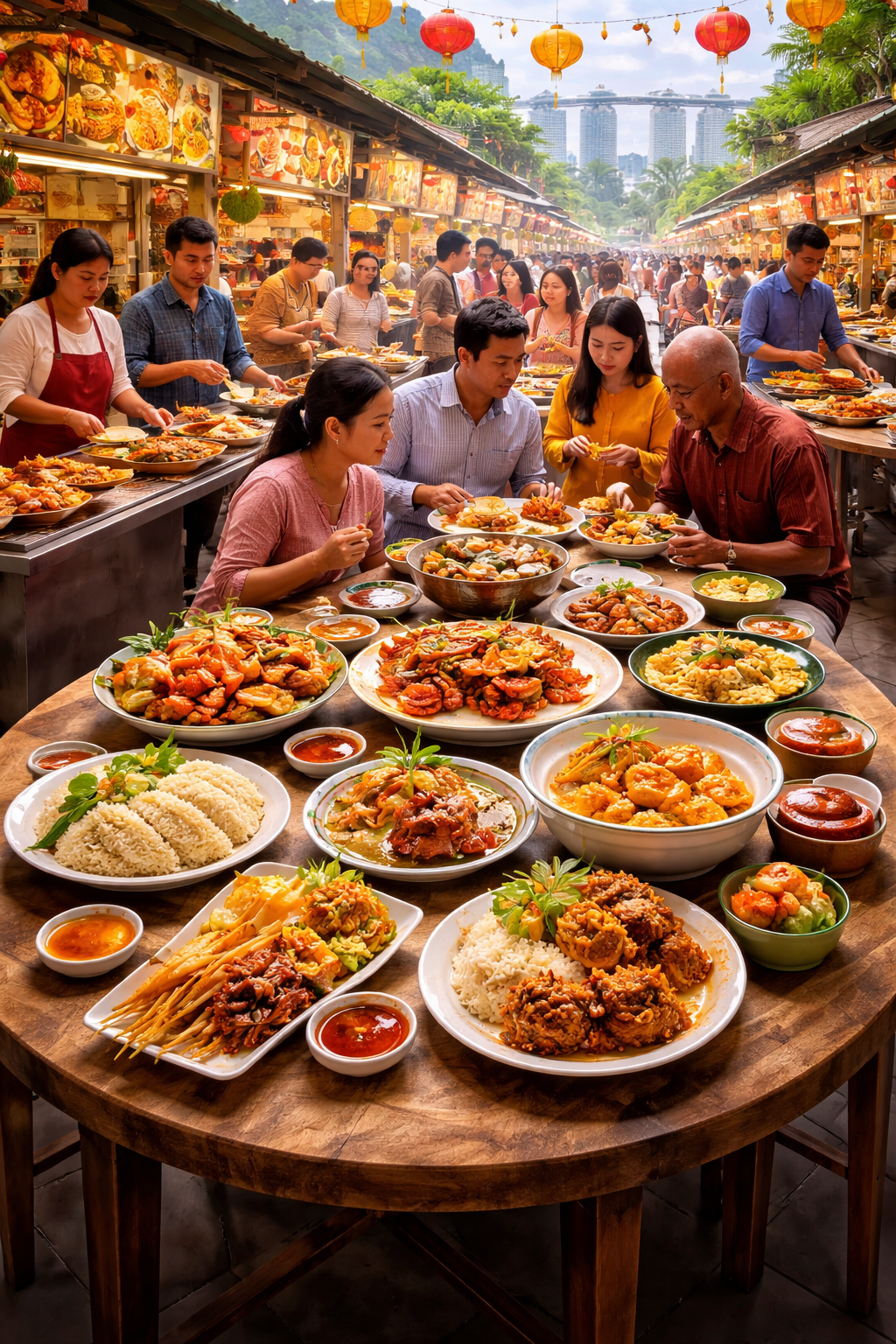
A major reason these traditions remain so visible is the hawker system. In hawker centers, dishes from different backgrounds are sold side by side and eaten in the same communal setting. This arrangement does more than offer convenience. It encourages cultural familiarity, everyday exchange, and mutual appreciation. A person does not need to belong to a particular ethnic group to feel connected to its food.
Singaporean cuisine is powerful because it transforms diversity into something tangible and accessible. Every meal can reveal a history of movement, adaptation, and coexistence. The food is flavorful, but it also carries a larger meaning: it shows how communities can preserve their identity while still helping create a common cultural language.