Singapore may be small, but its television culture is surprisingly layered. Viewers move between languages and genres with ease, and the most popular programs tend to be those that capture the texture of daily life—how people speak, how families argue, and how society negotiates modern pressures. While global streaming is everywhere, local titles still win loyalty when they offer humor, familiarity, and stories that mirror lived experience.
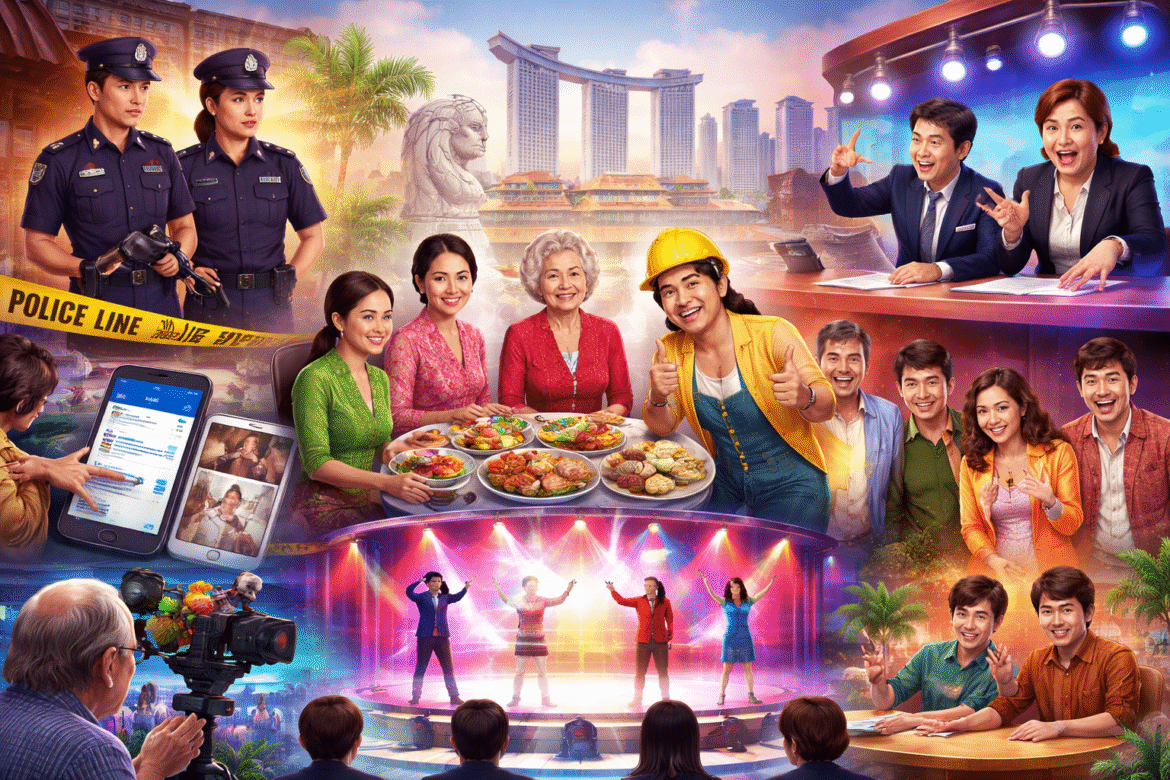
Few sitcoms have achieved the long-lasting recognition of Phua Chu Kang Pte Ltd. The show’s genius is that it turns “ordinary” Singaporean settings into comedic stages: the flat, the coffee shop, the worksite, the awkward family gathering. Its characters are larger than life, but their motivations feel real—saving face, earning respect, and navigating social expectations. The heavy use of Singlish isn’t just a gimmick; it’s part of the comedy engine, delivering punchlines with a rhythm that feels native to the streets.
If Phua Chu Kang celebrates a broad, warm-hearted kind of humor, The Noose offers sharper edges. Framed as a mock news broadcast, it parodies sensational reporting and public hysteria. By presenting absurd “breaking news” in a familiar TV-news style, it highlights how easily panic spreads when headlines are designed for clicks and chatter. Audiences enjoy the laughs, but the show also nudges viewers to notice how narratives are constructed—who gets portrayed as credible, who becomes a scapegoat, and what society chooses to fear.
Drama has its own set of crowd magnets, especially when it blends romance and family conflict with a strong cultural lens. The Little Nyonya became widely watched by putting Peranakan heritage at the center of a sweeping story. The show is visually lush—food, décor, fashion, and ritual are treated with care—but the emotional stakes are what keep viewers binging: loyalty versus freedom, love versus reputation, and the complicated relationships between mothers, daughters, and in-laws. It connects because it frames identity as something negotiated daily, not simply inherited.
On the factual side, Crimewatch remains a recognizable fixture, proving that true-crime storytelling doesn’t need flashy production to be compelling. Reenactments, interviews, and practical prevention advice make the show feel like both entertainment and civic education. It also speaks to a core viewer instinct: understanding risk. Episodes often focus on how incidents begin with small openings—carelessness, misplaced trust, momentary distraction—making the lessons feel personal rather than abstract.
Beyond these classics, Singapore’s program popularity is supported by variety and talent formats that create shared conversation. Competition shows, celebrity panels, and entertainment specials thrive because they’re easy to watch with family and friends. They also provide a “live moment” feeling—something people can discuss the next day at work or online. In a media environment crowded with on-demand options, that sense of collective viewing still matters.
Singapore’s most attention-grabbing TV programs succeed by sounding like Singapore: multilingual sensibilities, local humor, and themes that match the nation’s real tensions—ambition, family duty, and the desire to belong. When a show can make viewers laugh at themselves, recognize their neighbors, or see their heritage in a new light, it earns a place that algorithms alone can’t replace.