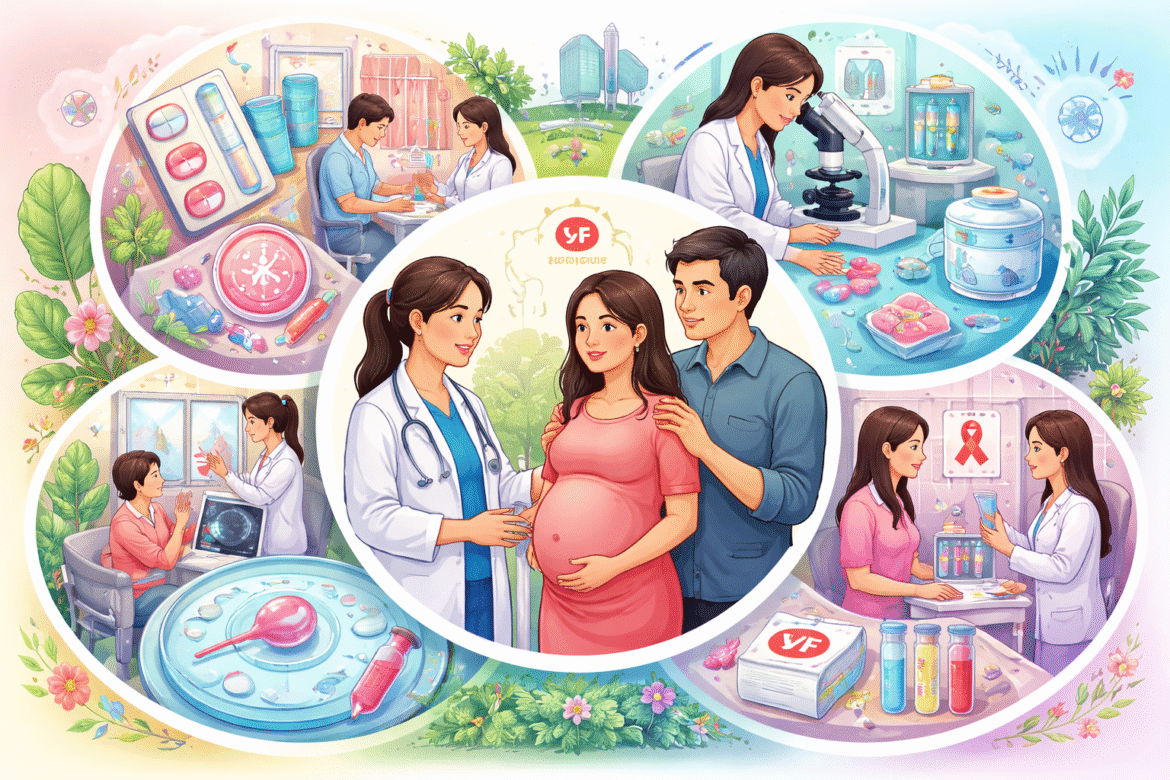
Reproductive health care in Singapore is a well-structured and integral part of the nation’s healthcare system, encompassing a wide range of services that cater to the reproductive and sexual health needs of its population. As one of the leading countries in Southeast Asia for medical care, Singapore offers comprehensive and easily accessible reproductive services, ensuring that citizens and residents have the necessary resources to maintain their reproductive health.
Family planning is one of the cornerstones of reproductive health in Singapore. The country has long recognized the importance of empowering individuals and couples to make informed decisions regarding their reproductive lives. As a result, a range of contraceptive options is available through both public and private healthcare providers. Birth control pills, intrauterine devices (IUDs), condoms, and sterilization are some of the methods offered. Access to family planning services is widely available, and the government regularly runs educational campaigns to ensure that individuals understand their options and are equipped to make informed choices about their reproductive health.
Maternal health is another key aspect of reproductive care in Singapore. The government places a strong emphasis on providing high-quality prenatal and postnatal care. Expecting mothers receive regular check-ups, ultrasounds, blood tests, and screenings to monitor their health and ensure the well-being of their babies. The country’s hospitals are equipped with state-of-the-art facilities, offering a safe environment for childbirth, including access to pain relief and emergency care if required. Singapore’s low maternal mortality rate stands as a testament to the country’s commitment to maternal health.
Infertility care has become increasingly important in Singapore as more individuals and couples face challenges with conception. The country has a number of fertility centers that provide comprehensive services, including diagnostic testing, counseling, and assisted reproductive technologies like IVF. In response to the growing demand for these services, the government has taken steps to ensure that fertility treatments are affordable and regulated. This has made it possible for many Singaporeans to receive treatment for infertility and achieve their goals of starting a family.
Sexually transmitted infections (STIs) are a significant focus of reproductive health care in Singapore. The government actively promotes STI prevention through public health campaigns, with an emphasis on the importance of safe sex and regular testing. Free or subsidized STI screenings are available at public health clinics, and treatment is provided for those diagnosed with infections. Public health initiatives aim to reduce stigma and encourage individuals to seek care if they suspect they have an STI. This proactive approach ensures that individuals can manage their sexual health in a responsible and informed manner.
Reproductive health education is another area in which Singapore excels. Schools, universities, and public health organizations provide comprehensive sex education that covers a wide range of topics, from contraception to sexual rights, healthy relationships, and gender equality. This education ensures that individuals are well-informed and can make healthy choices when it comes to their reproductive health.
With a healthcare system that prioritizes accessibility, education, and quality, Singapore has positioned itself as a leader in reproductive health care in the region. Whether through family planning services, maternal health care, fertility treatment, or sexual health management, the country provides its residents with the tools they need to take control of their reproductive health and well-being.