In Singapore, cultural diversity is not just a concept; it is a way of life. The city-state is home to a harmonious blend of ethnic groups, each contributing to the unique cultural fabric of the nation. One of the most significant ways Singapore celebrates this diversity is through its vibrant and colorful cultural festivals, which take place throughout the year. These festivals serve as a reminder of the nation’s rich heritage and its commitment to inclusivity, offering both locals and tourists a chance to experience the customs and traditions of Singapore’s different communities.
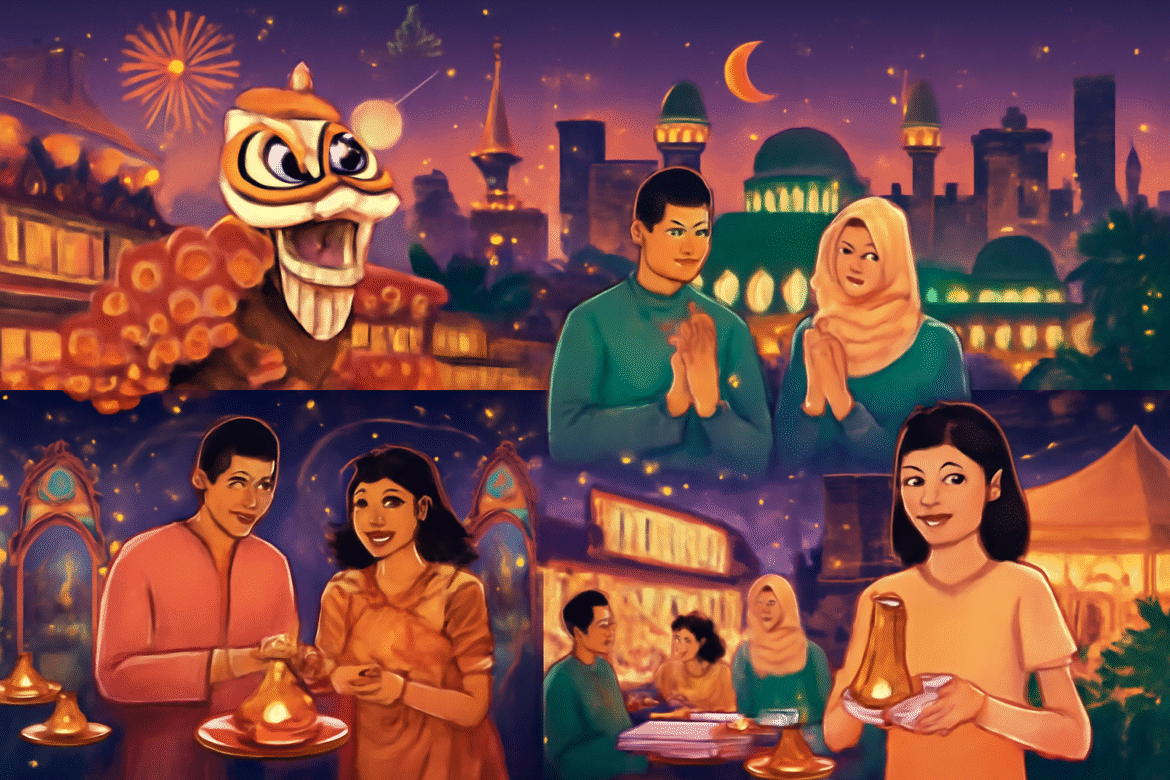
Chinese New Year is one of Singapore’s most iconic and widely celebrated festivals. The Chinese community, which makes up a significant portion of the population, welcomes the lunar new year with grand celebrations that include lion dances, dragon parades, and fireworks. In Chinatown, visitors can shop for traditional items such as new year cakes, decorations, and gifts, while enjoying street performances that highlight Chinese cultural heritage. The holiday is marked by family reunions, paying respects to ancestors, and sharing festive meals, all of which emphasize the values of family, prosperity, and renewal.
Similarly, Hari Raya Puasa, the end of Ramadan for Muslims, is an important festival in Singapore that highlights the spirit of charity, togetherness, and gratitude. During this time, Muslims visit mosques, perform prayers, and gather with family and friends to share meals. Kampong Glam, a Malay district, hosts lively bazaars offering traditional foods, clothing, and crafts, creating a sense of community and inclusion. This festival provides an opportunity for all Singaporeans to come together and experience the beauty of Malay culture, further strengthening the social fabric of the city.
Deepavali, the Festival of Lights, is another key cultural event in Singapore, celebrated by the Indian community. During this time, Little India transforms into a dazzling display of lights and colors, with streets adorned with decorations and temples hosting prayers and rituals. The festival symbolizes the victory of good over evil, and it is a time for families to bond, exchange gifts, and enjoy traditional sweets. The celebrations offer a glimpse into the rich traditions of Hinduism, and the entire city embraces the vibrancy of the occasion, fostering a sense of unity and mutual respect among Singaporeans.
Singapore’s commitment to promoting cultural diversity is also evident in the city’s international festivals, such as the Singapore Arts Festival. This event brings together artists from all over the world to showcase a variety of performances, including theater, dance, music, and visual arts. It offers a platform for creative expression and provides a space for people from different cultures to connect through art. The festival reflects Singapore’s status as a global cultural hub, where artistic collaborations between different traditions are encouraged and celebrated.
The Singapore Food Festival is another testament to the country’s cultural inclusivity. Singaporean cuisine is a fusion of flavors from Chinese, Malay, Indian, and other cultures, and the food festival highlights this culinary diversity. From hawker centers to fine dining restaurants, the festival offers a wide array of dishes that represent the various ethnic groups in Singapore. The celebration of food not only allows visitors to indulge in delicious dishes but also provides an opportunity to learn about the history and cultural significance of different foods, further deepening appreciation for Singapore’s multicultural heritage.
Through its diverse range of cultural festivals, Singapore demonstrates the importance of preserving cultural traditions while fostering a spirit of understanding and unity. These events serve as powerful reminders of the nation’s commitment to promoting inclusivity, respect, and appreciation for all cultures, creating a shared sense of belonging that transcends ethnic and religious boundaries.