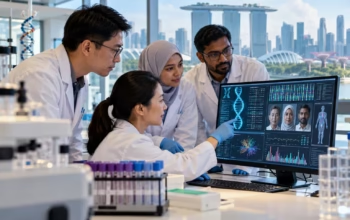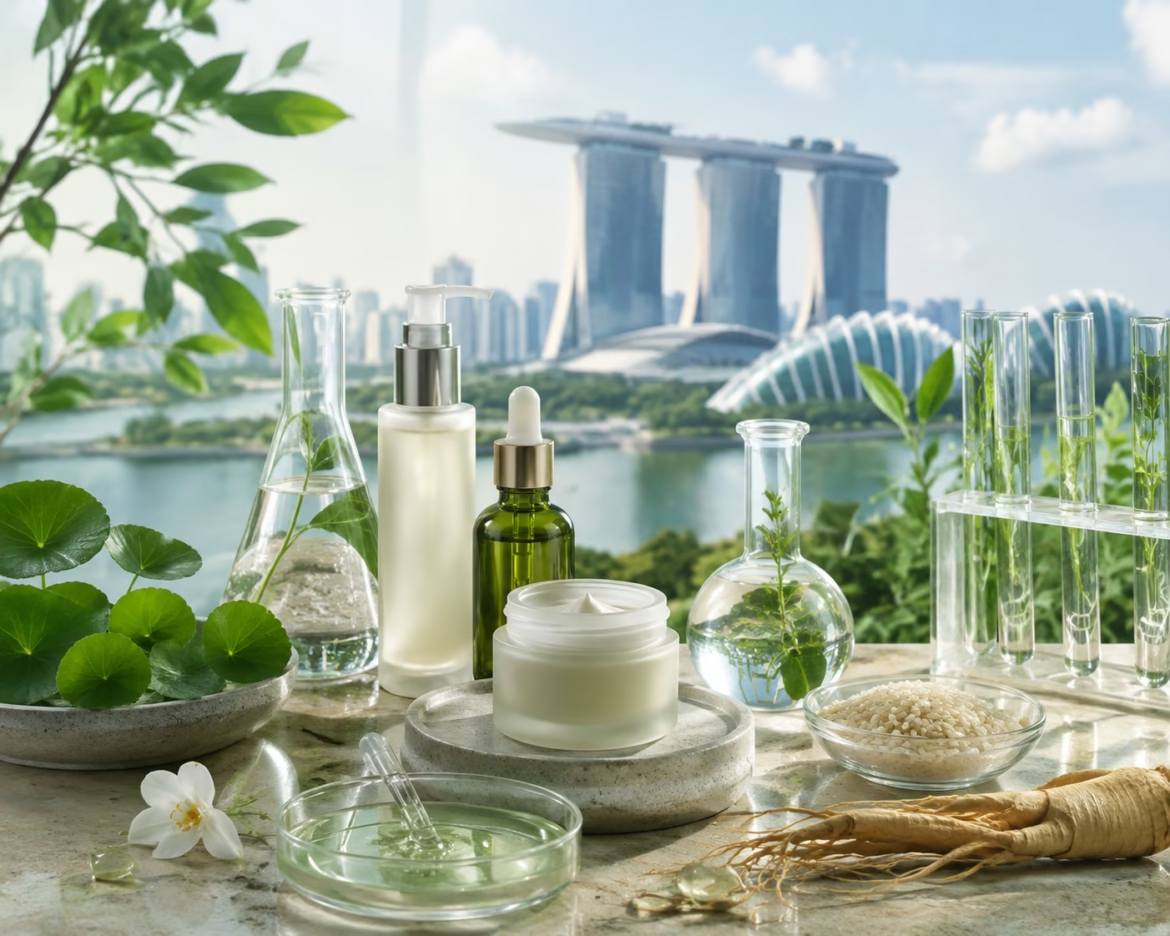
Singapore has long been a gateway between East and West, a melting pot of philosophies that is now perfectly reflected in its beauty industry. The latest trend dominating the market is the fusion of “natural” and “clinical” (often termed “cleanical”). Consumers are no longer satisfied with simply organic ingredients; they demand scientific proof that these botanicals work at a cellular level. This has led to a surge in Nano-technology driven botanical formulations designed to optimize body health.
The Cleanical Movement
For years, the wellness market was split into two camps: the “green” purists who rejected chemicals, and the clinical users who prioritized results over origin. In 2026, Singaporean brands are successfully bridging this gap. They are utilizing laboratory-grade extraction methods to isolate active compounds from plants, ensuring potency and purity.
This is particularly evident in the body care sector. Ingredients like Centella Asiatica (Gotu Kola) and Tamanu oil, known for their healing properties in traditional Asian medicine, are now being molecularly distilled. This process removes impurities while boosting the concentration of active healing agents, creating serums and body butters that are both gentle and highly effective for skin barrier repair.
Fermentation Technology
One of the most sophisticated techniques being embraced by Singapore’s R&D labs is fermentation. Borrowing from the food industry, beauty scientists are fermenting botanical extracts to break down molecules into smaller sizes. This allows for deeper penetration into the skin’s dermal layers.
Fermented rice water and ginseng are prime examples. While these ingredients are ancient, the fermentation process generates new amino acids and enzymes that brighten the skin and improve elasticity. For body care, this translates into firming creams that actually deliver visible results on areas like the thighs and upper arms, moving beyond simple hydration.
Sustainability and Biotech Ingredients
Given Singapore’s limited land for agriculture, the industry is heavily invested in biotechnology. Rather than harvesting plants from the wild, many local brands are growing cells in labs. This “cellular agriculture” produces ingredients that are identical to those found in nature but without the environmental footprint of farming.
This aligns with the Singapore government’s “30 by 30” initiative, which aims to produce 30% of the nation’s nutritional and ingredient needs locally and sustainably by 2030. The beauty sector is a key partner in this initiative, utilizing vertical farming for high-value botanicals used in spa treatments. According to the Singapore Economic Development Board (EDB) 2026 Industry Insights, the biologics and beauty manufacturing sector has seen a 15% growth, driven primarily by this shift to lab-grown natural actives.
The Microbiome Balance
Modern body care in Singapore is also heavily focused on the skin’s microbiome. Traditional soaps and harsh scrubs are being replaced by pH-balanced cleansers and prebiotic lotions. The philosophy is that healthy bacteria are the best defense against inflammation and environmental damage.
This is particularly relevant in Singapore’s humid climate, where sweat and heat can disrupt the skin’s natural flora. Brands are now offering “biome-friendly” deodorants and body powders that neutralize odor without killing beneficial microbes. This scientific approach to natural care represents the pinnacle of the industry’s evolution, offering consumers the best of both worlds.