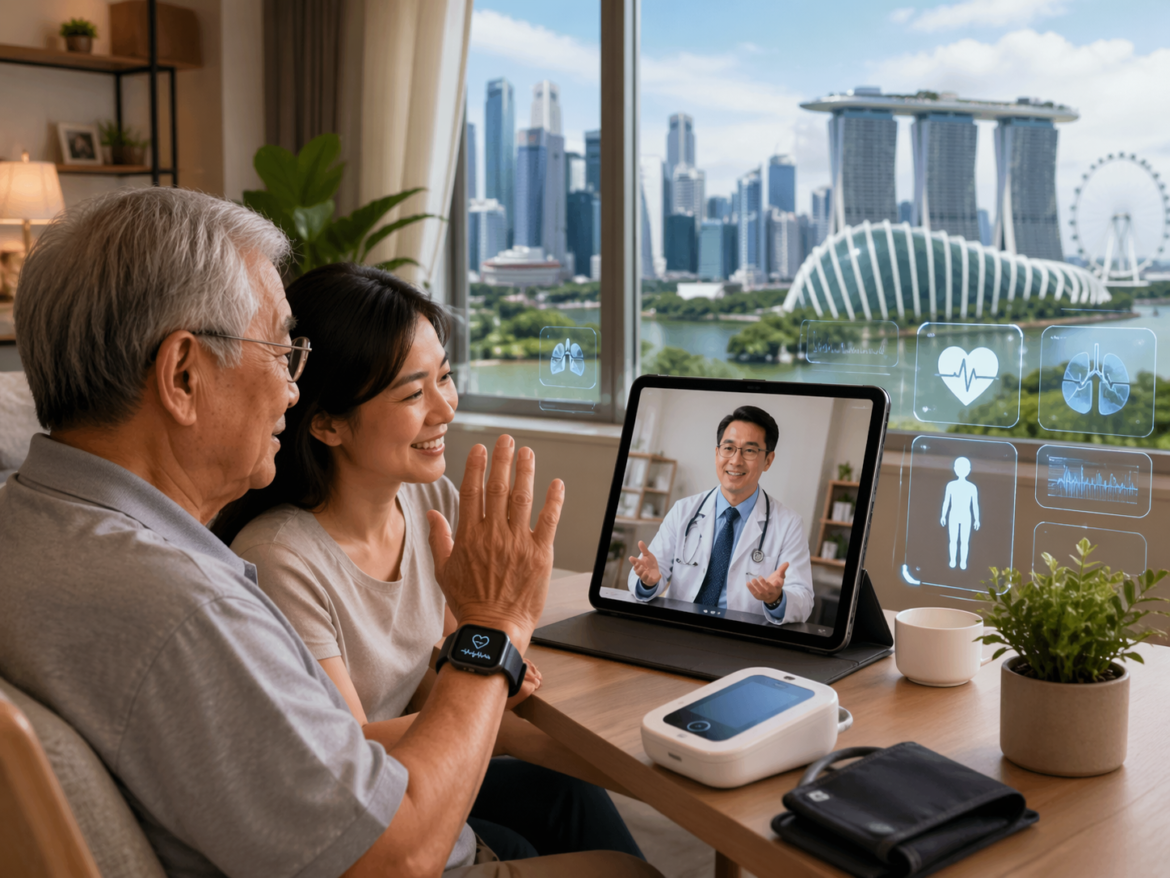
The healthcare sector in Singapore has been undergoing a significant transformation, with telemedicine playing a pivotal role in enhancing healthcare delivery. Telemedicine refers to the provision of healthcare services through digital technologies, allowing patients to receive medical advice, diagnoses, and prescriptions remotely. This development has been particularly impactful in a city-state that is known for its fast-paced lifestyle and technological innovation.
One of the primary advantages of telemedicine in Singapore is its ability to reduce wait times. Patients no longer need to spend hours in a clinic waiting for an appointment. Through telemedicine, consultations can be scheduled at a time that is convenient for both the patient and the healthcare provider. This reduces the burden on healthcare facilities, which often experience long queues and crowded waiting rooms.
Additionally, telemedicine enhances healthcare accessibility for people with limited mobility or those who live in areas with fewer healthcare facilities. The use of smartphones and other mobile devices has made it easier for people to access healthcare services without having to leave their homes. This is particularly beneficial for the elderly population, who may struggle to travel to hospitals and clinics due to physical limitations.
Telemedicine also supports the continuous care of patients with chronic conditions. In Singapore, diseases such as diabetes and hypertension are prevalent, and managing these conditions often requires regular check-ups and medication adjustments. Telemedicine makes it easier for patients to receive ongoing care through virtual consultations, enabling healthcare providers to monitor their progress and make timely interventions when needed.
From an operational perspective, telemedicine also helps healthcare providers manage resources more efficiently. By offering virtual consultations, healthcare systems can allocate resources to more urgent cases, reducing the pressure on emergency departments and allowing healthcare professionals to focus on patients who require in-person visits. Moreover, telemedicine can integrate seamlessly with electronic health records (EHR), allowing for streamlined data sharing and better-informed decisions regarding treatment.
The government of Singapore has recognized the importance of telemedicine and has created a supportive environment for its expansion. Programs such as the “eHealth” initiative and the “National Telemedicine Framework” are helping to ensure that telemedicine services are accessible, safe, and compliant with healthcare regulations.